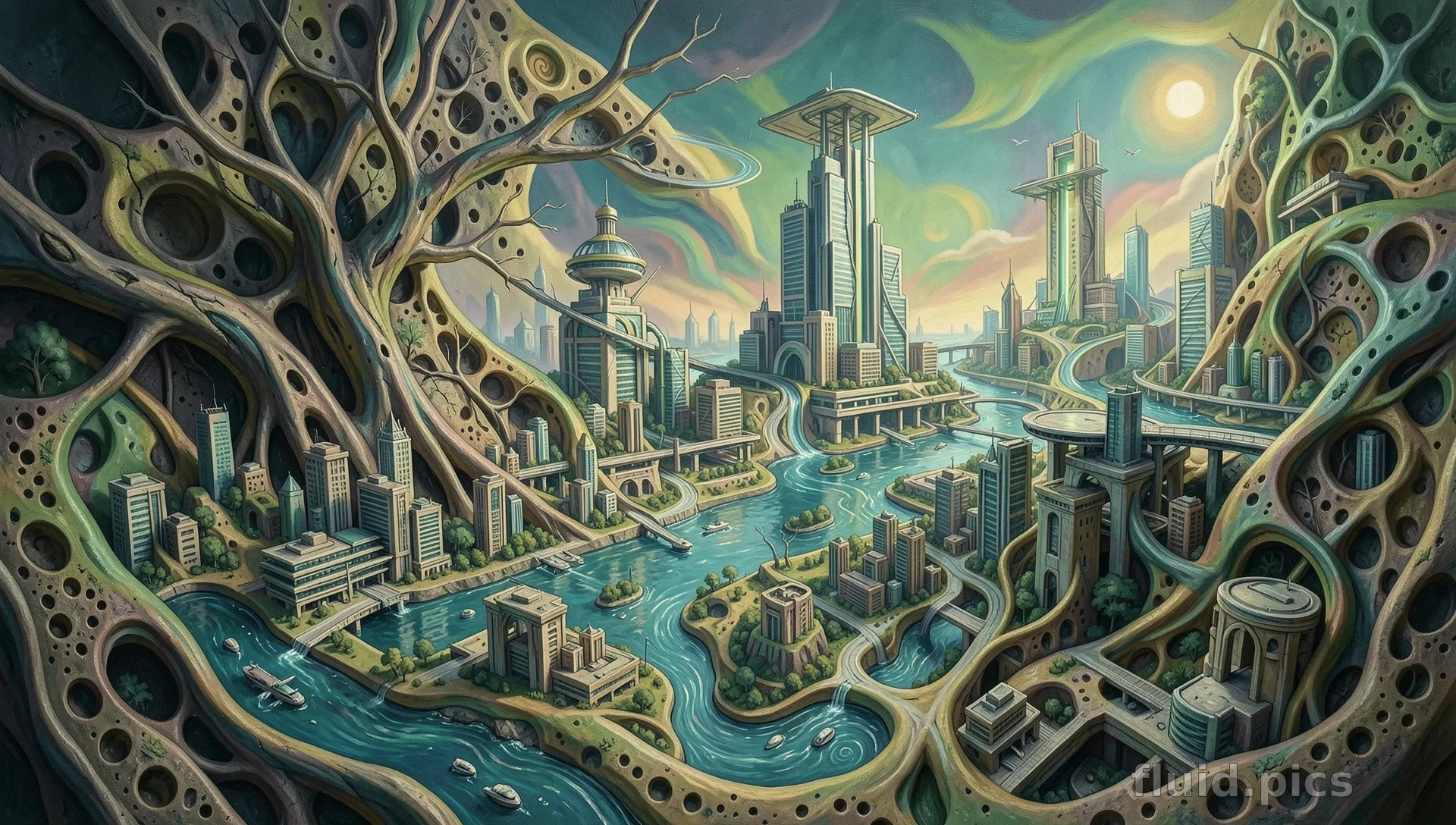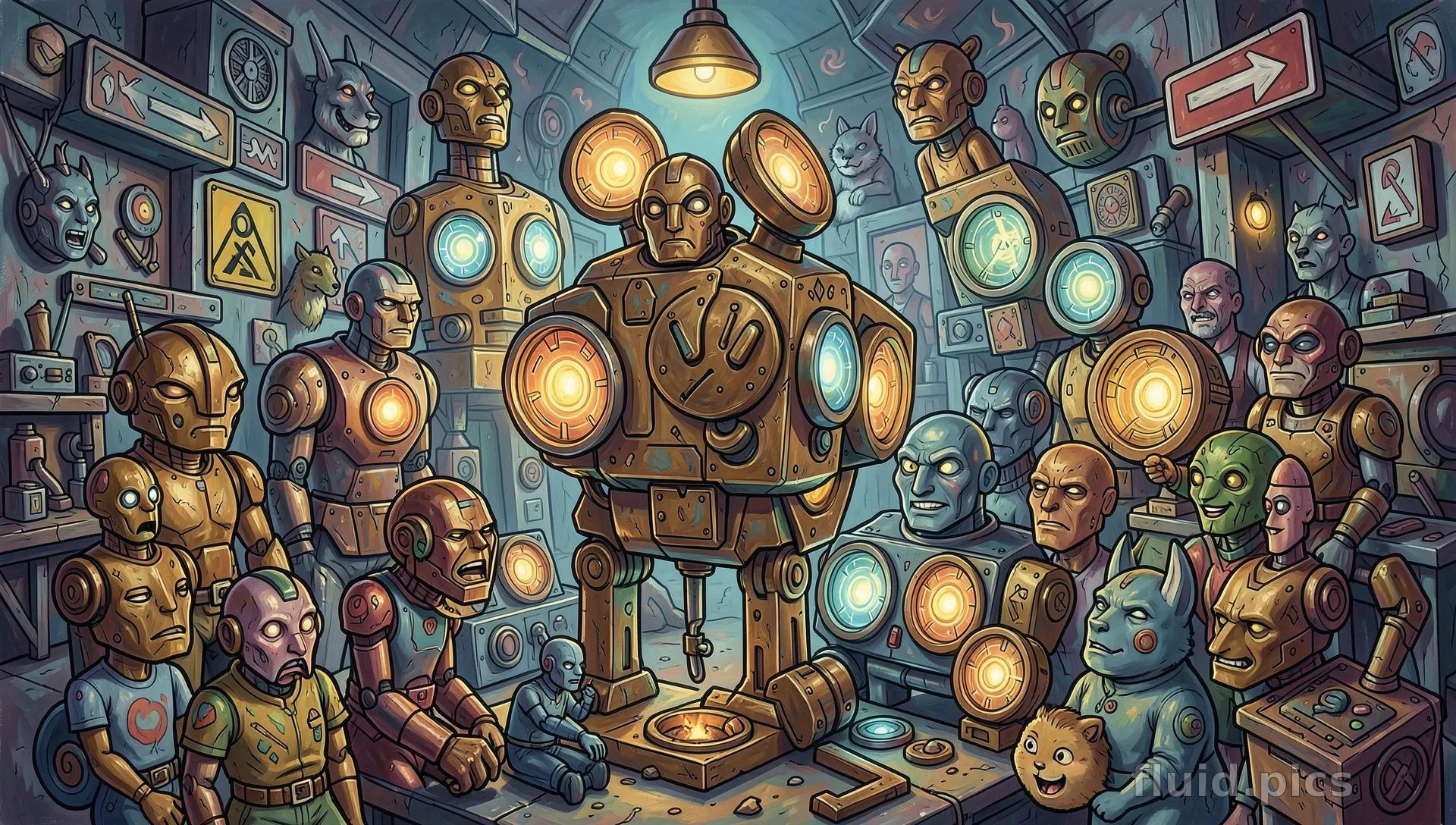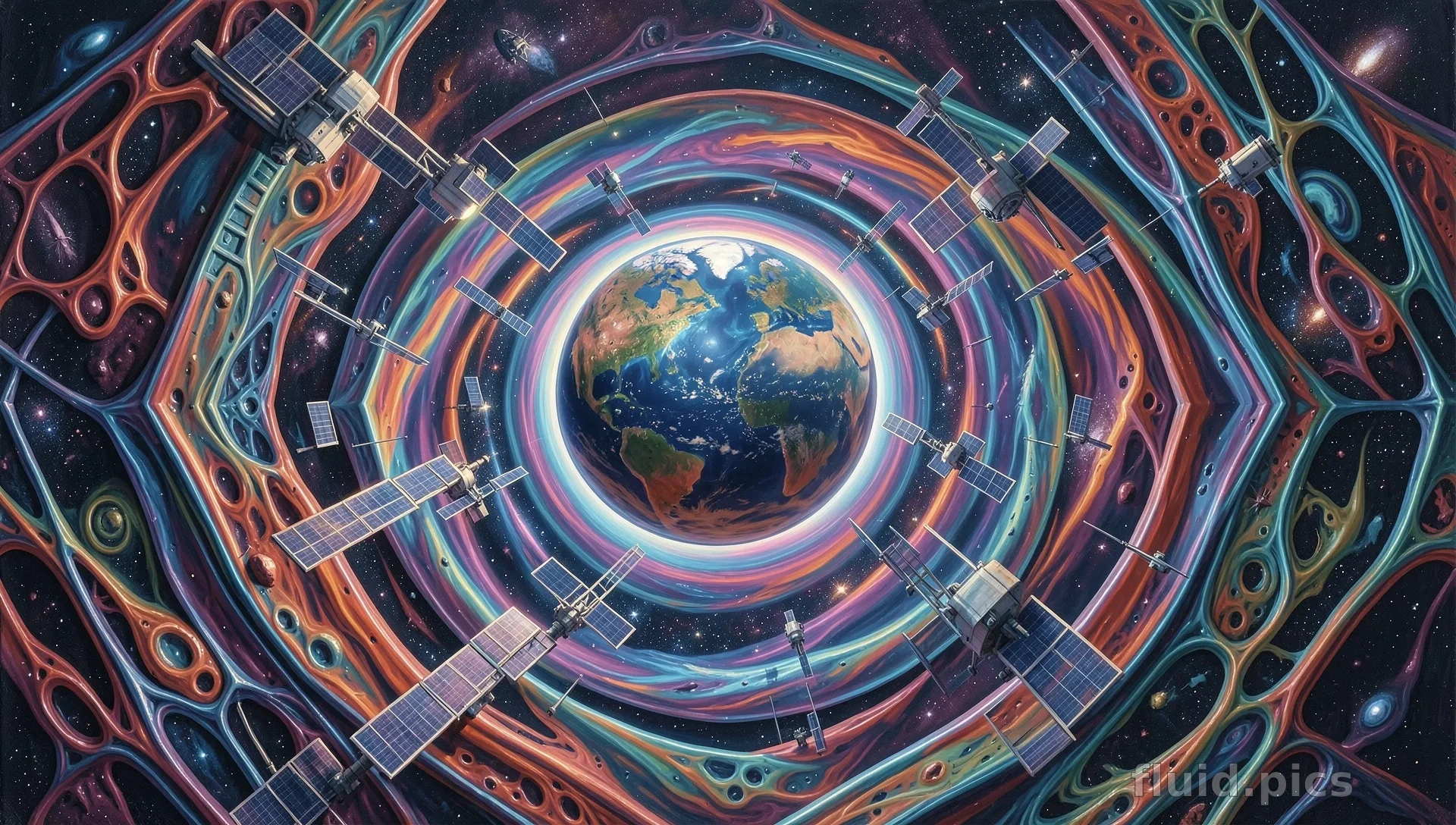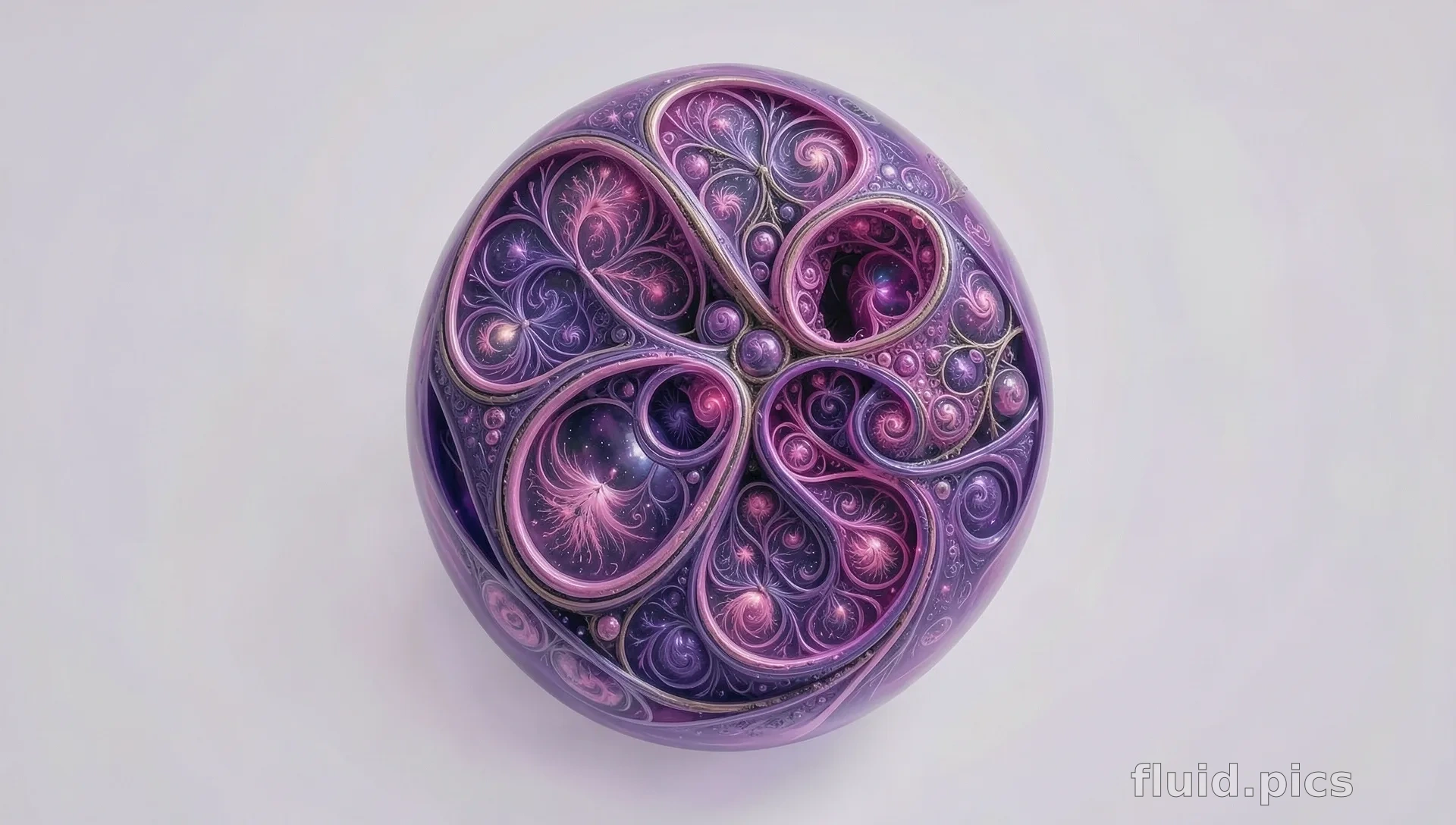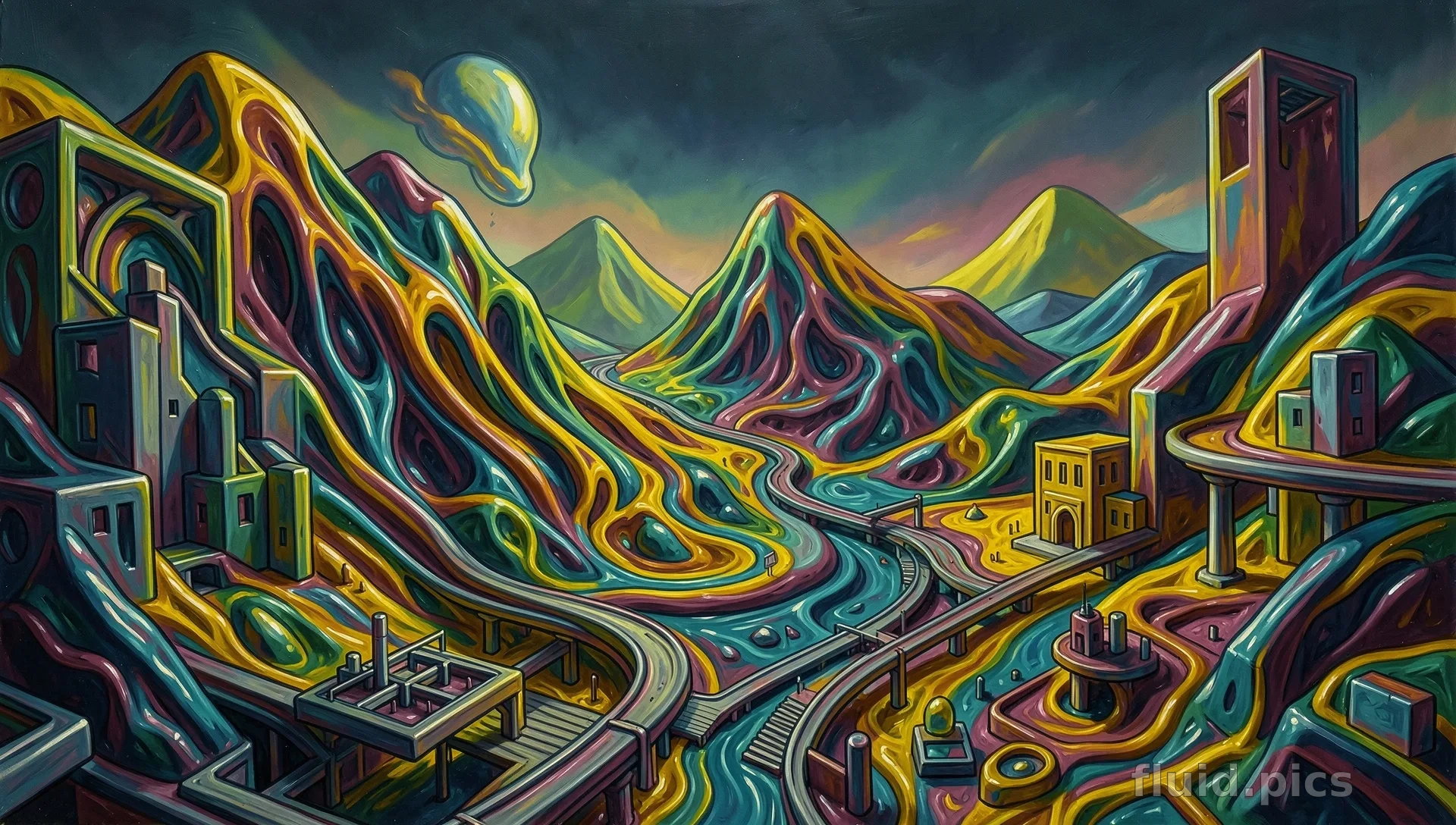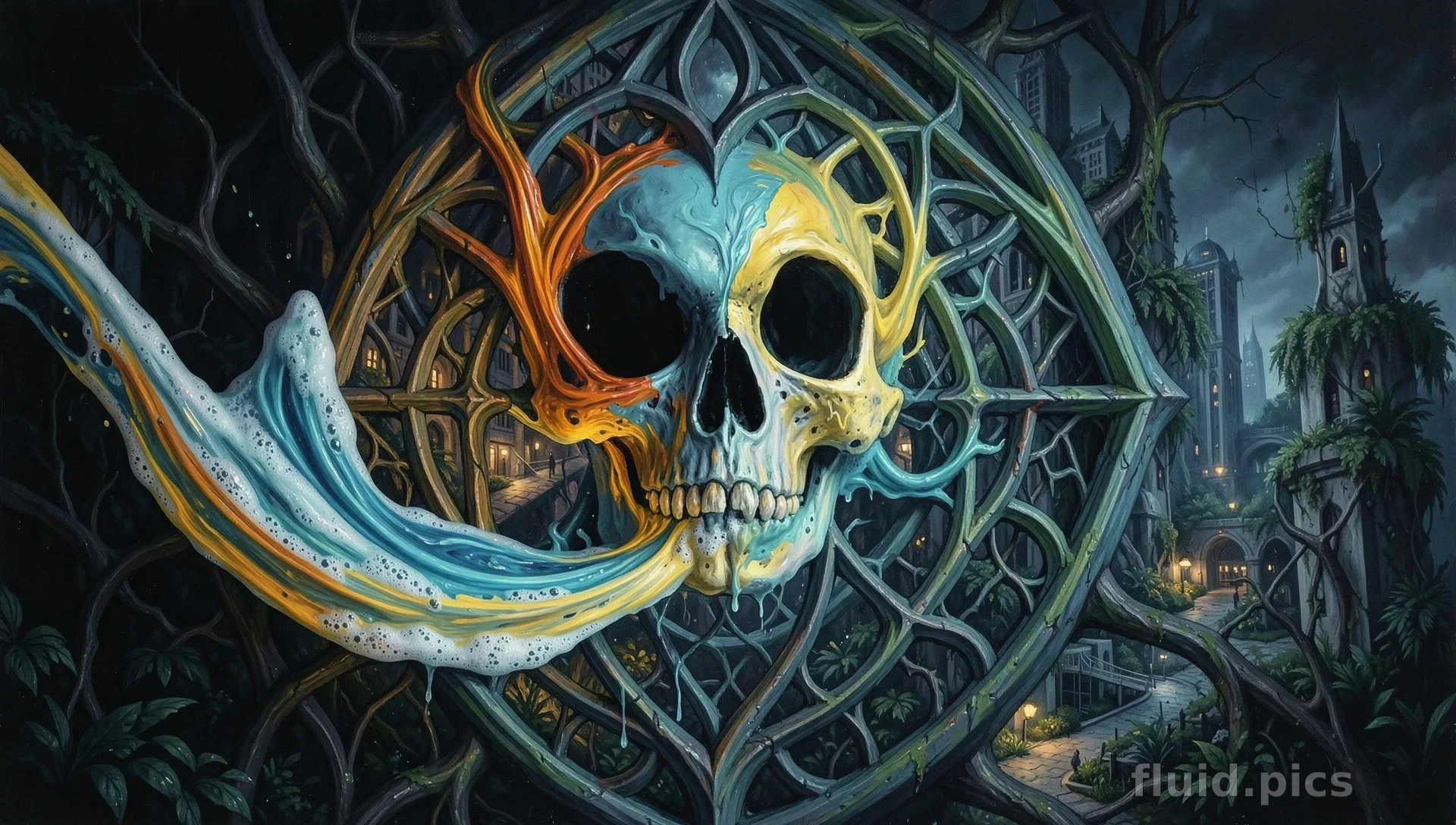
Generative art is art made with a system that can produce variation. The system may be a set of instructions, a drawing machine, a mathematical rule, a piece of code or a physical process. Rather than deciding every mark one by one, the artist designs conditions under which many related outcomes can emerge.
That does not mean the work is automatic. The artist chooses the rules, the limits, the visual vocabulary and the point at which an outcome becomes a finished work. Generative art shifts authorship from controlling every detail to shaping a field of possibilities.
Rules and variation
A simple system can create rich results. A line may repeat while changing direction, a grid may accept a small amount of drift, or a group of shapes may respond to a shared set of parameters. Repetition gives the work coherence; variation prevents it from becoming mechanical.
Chance is often part of this process, but it is usually controlled chance. A random value can select a position, colour or scale within a range set by the artist. The rule creates a frame, and uncertainty gives each result its particular character. The most interesting generative works make that relationship visible without becoming demonstrations of a technique.
The artist's role
Generative practice involves decisions before, during and after a system runs. Beforehand, the artist defines structure, parameters and constraints. During the process, they may adjust relationships, respond to unexpected behaviour or select a moment to continue. Afterwards, they choose which outputs deserve to be shown and how they should be composed, displayed or developed further.
Those decisions are why generative art can feel authored even when it produces hundreds of variants. A system has no visual intention on its own. The intention comes from the choices that make the system possible and the judgment that frames its results.
Generative art and digital art
Generative art is often digital, but digital art is broader. Digital art may use drawing software, animation, photography, 3D tools or interactive media without generating results through a rule-based process. Generative art is defined by its productive system, not simply by the presence of a screen or computer.
It also differs from AI art in its usual method. Generative art often begins with explicit rules written or selected by the artist. AI image systems work through trained models that infer patterns from data. Many contemporary artists combine methods, but the distinction helps clarify what kind of control and repeatability a work uses.
From early systems to current practice
Generative thinking predates today's software. Artists have long used serial methods, permutations, scores and constrained procedures. In the twentieth century, plotters and early computer graphics made algorithmic images visible as a distinct practice. Today, code, real-time graphics, simulations and web-based tools make the field accessible to many more artists.
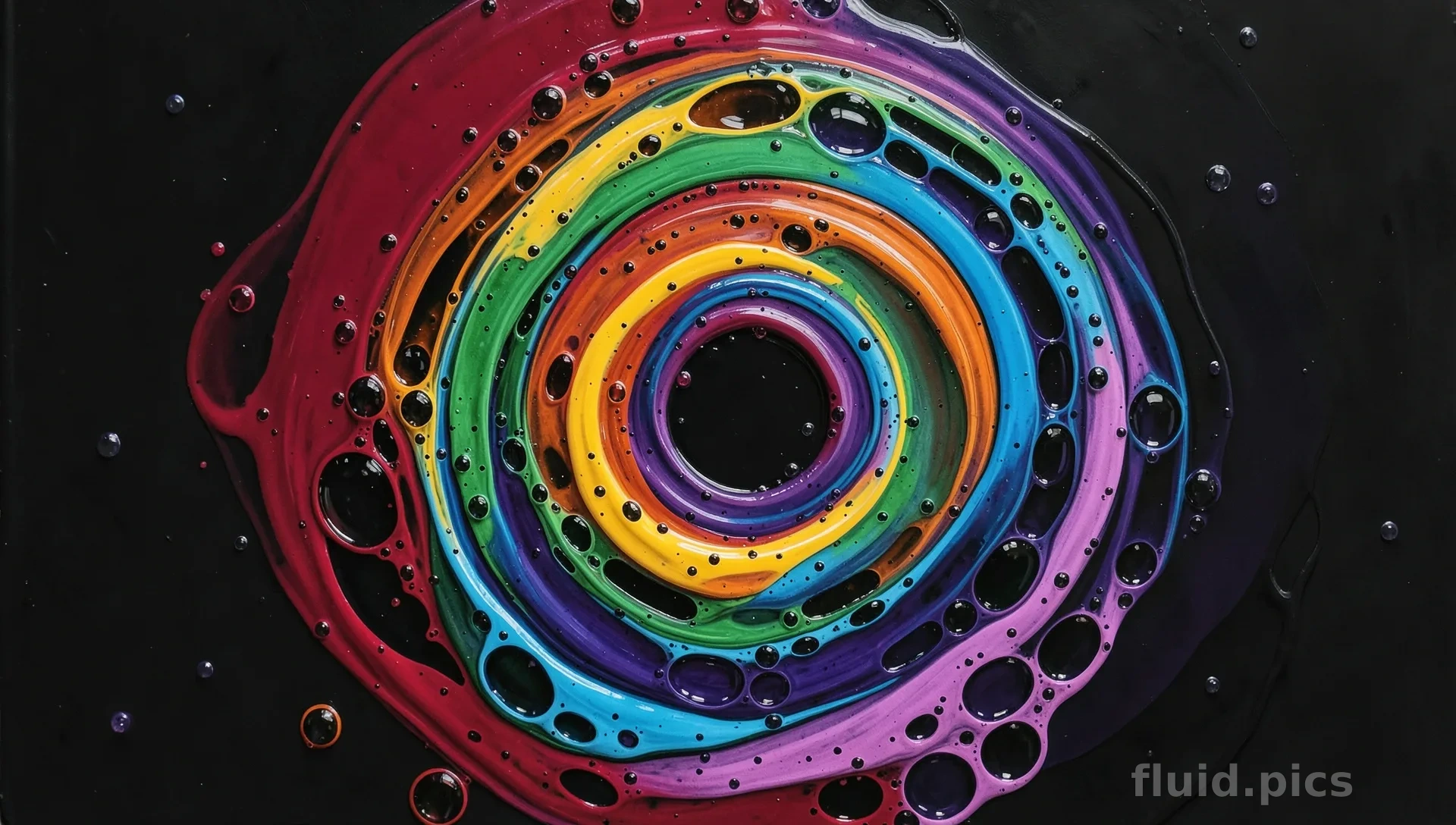
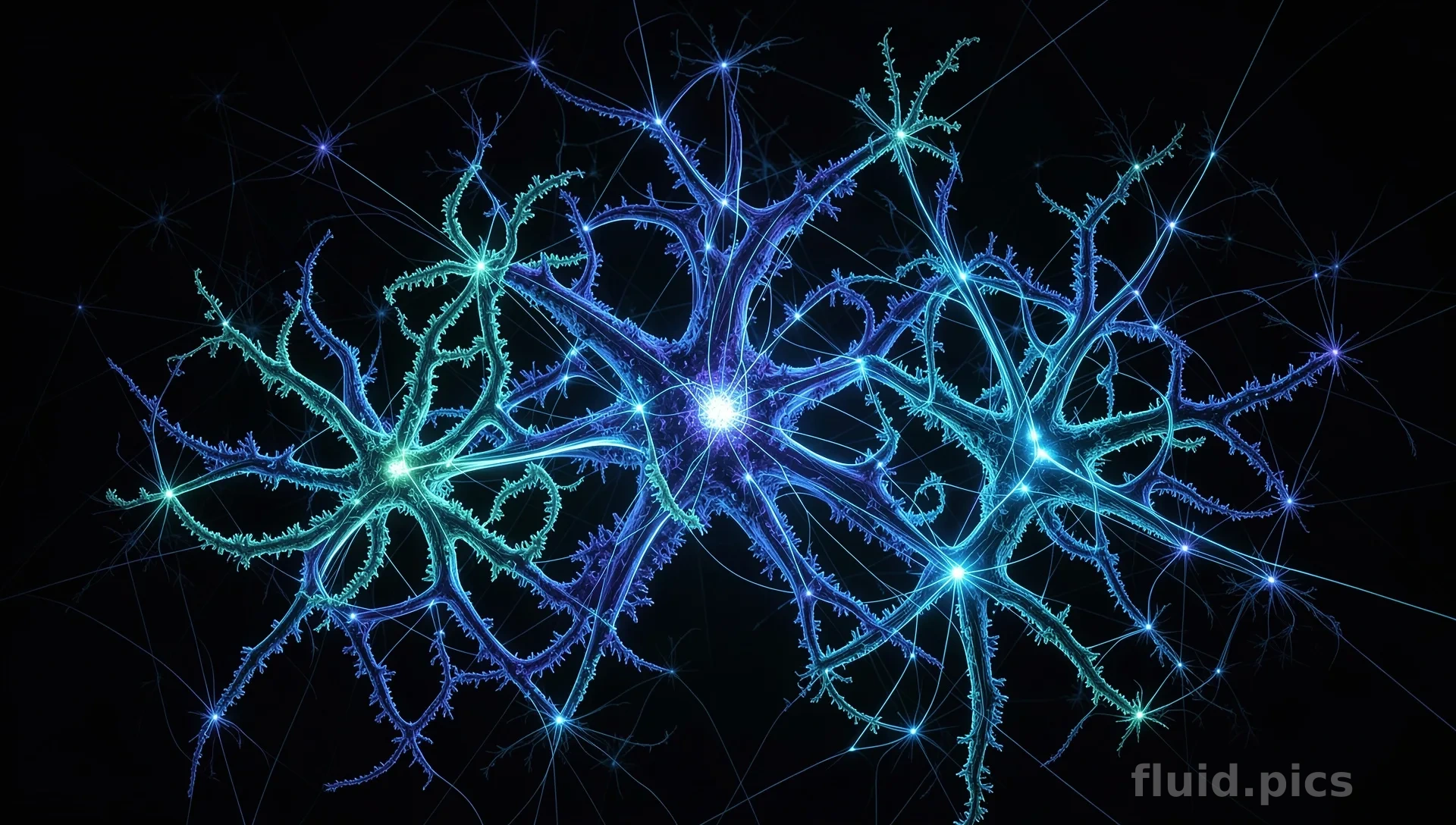
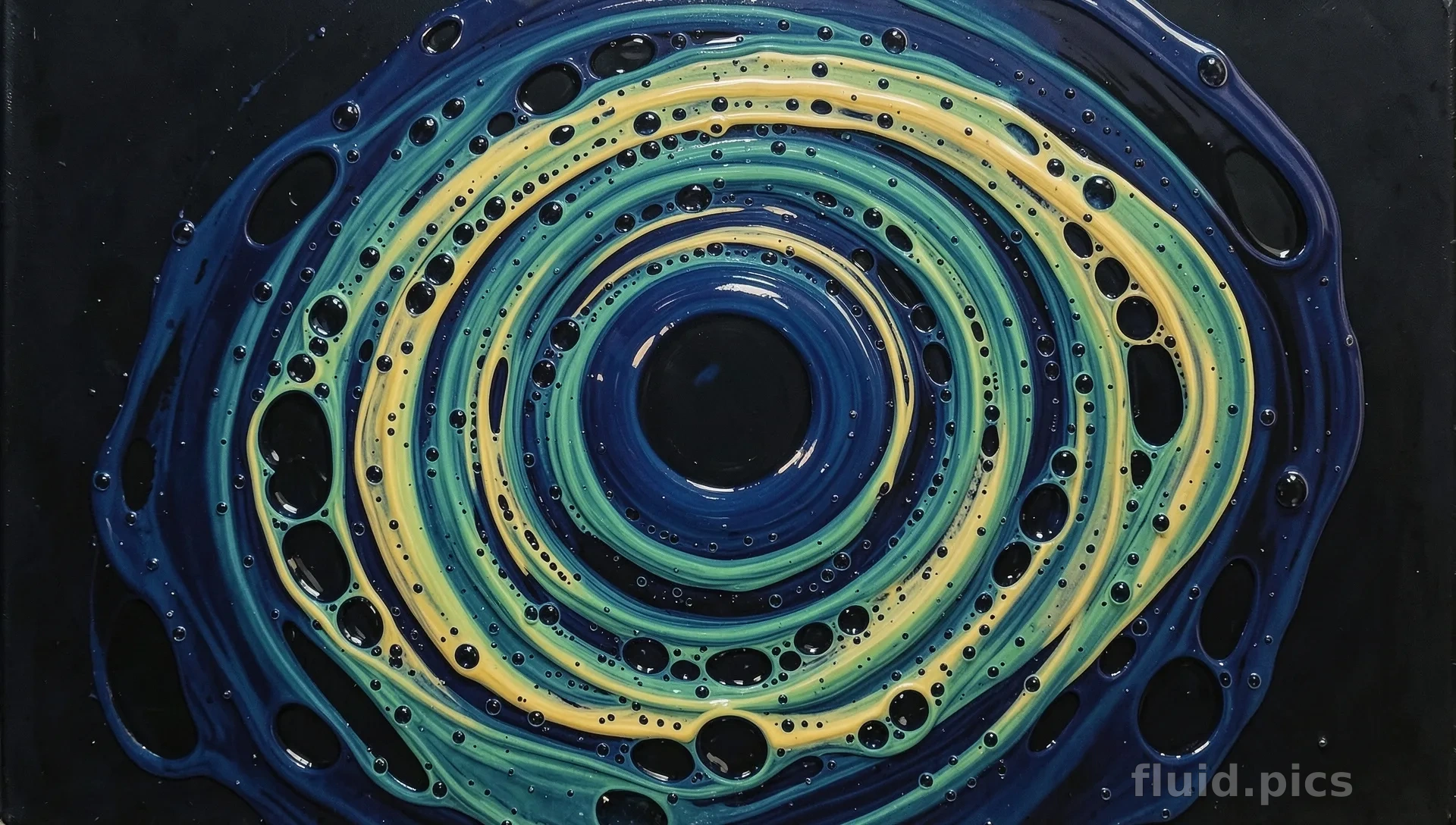
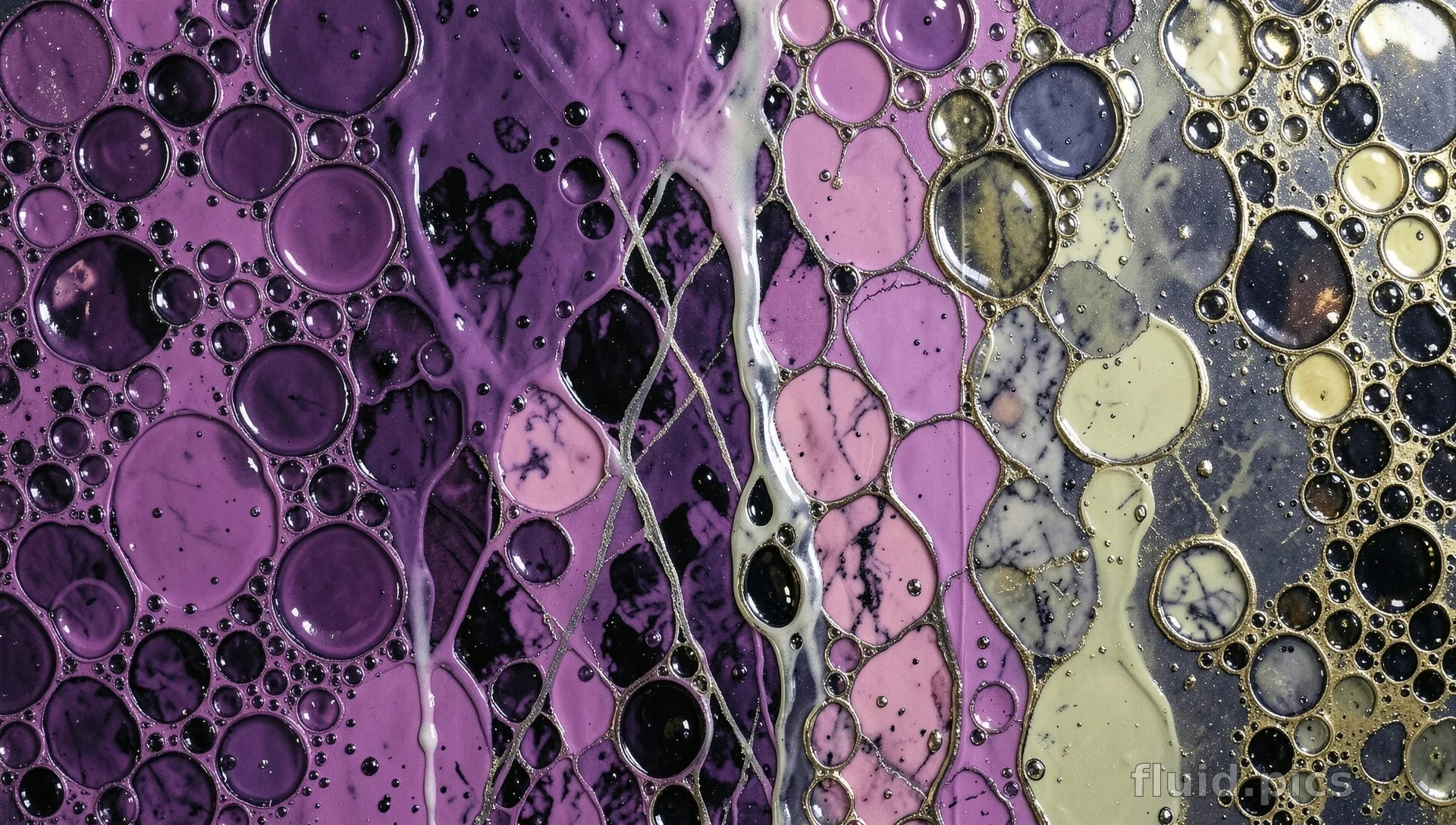
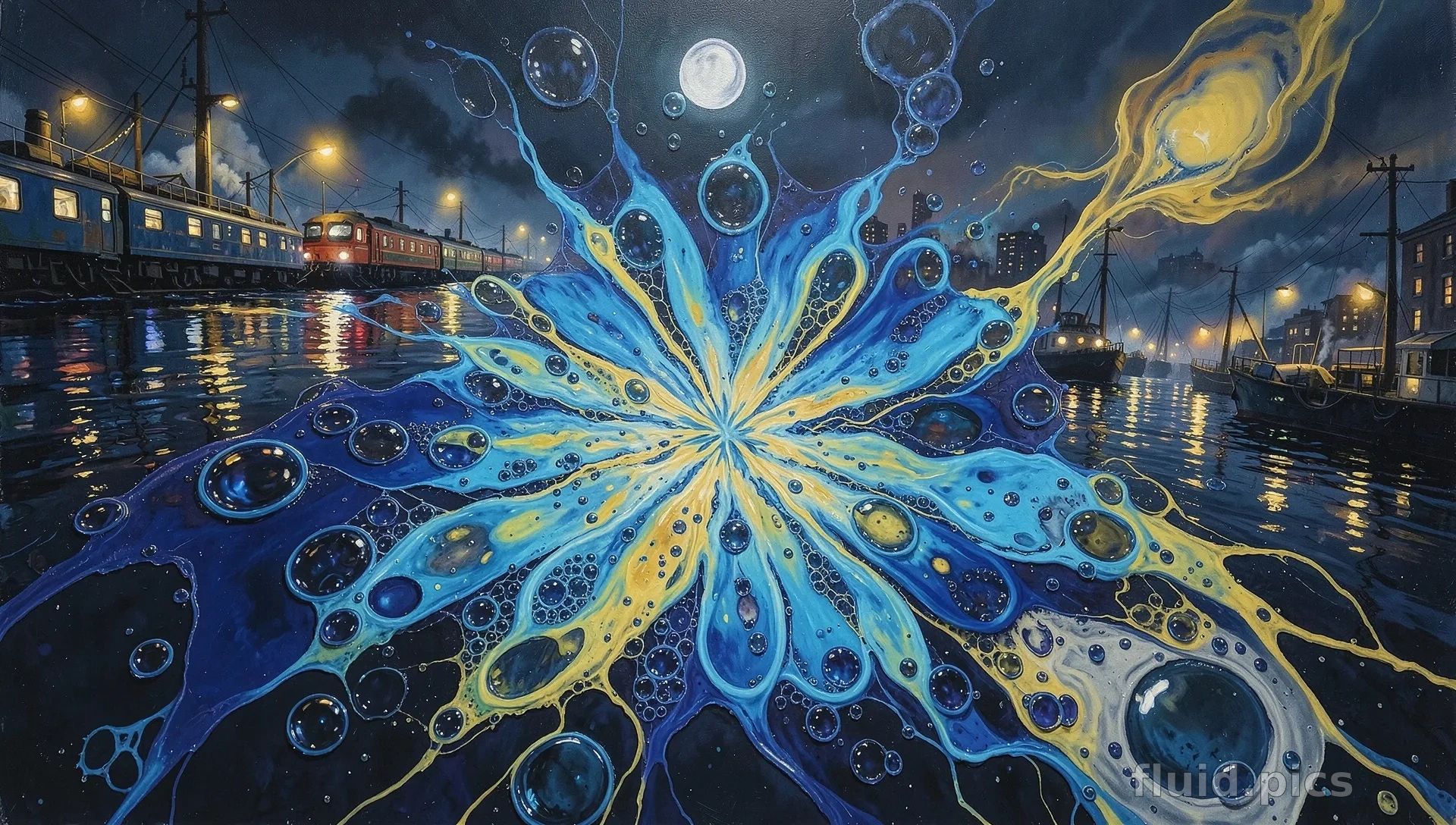
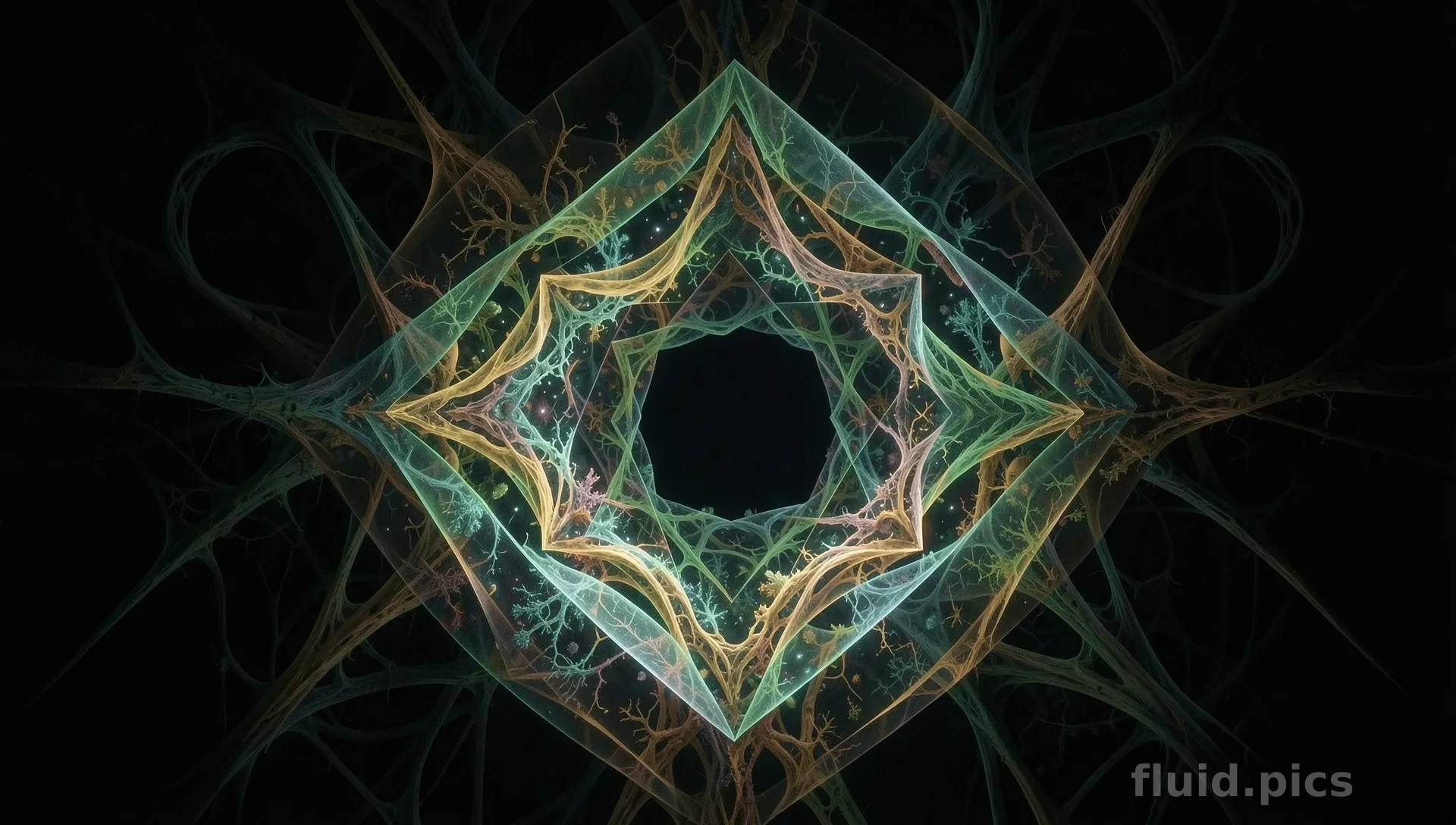
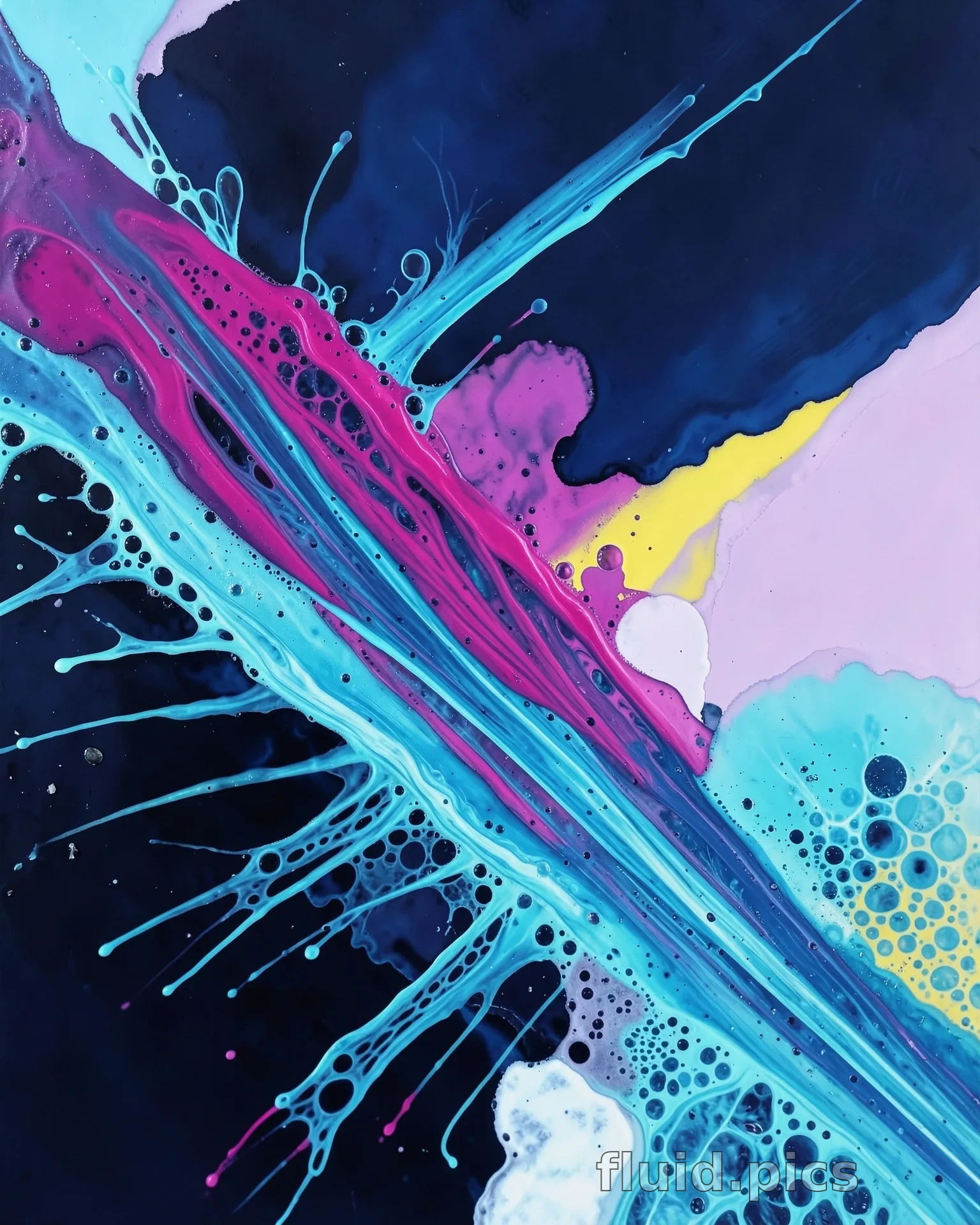
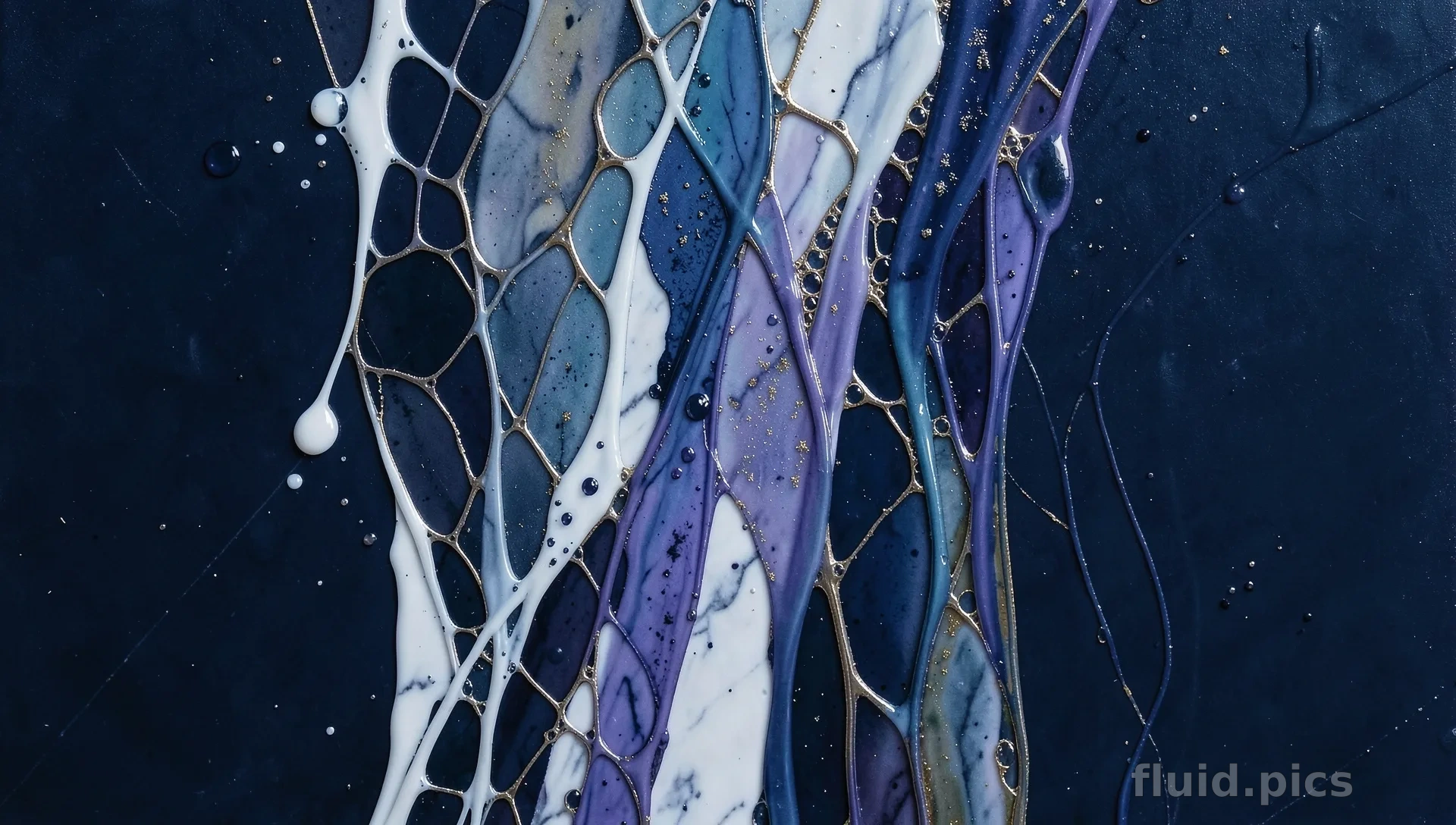
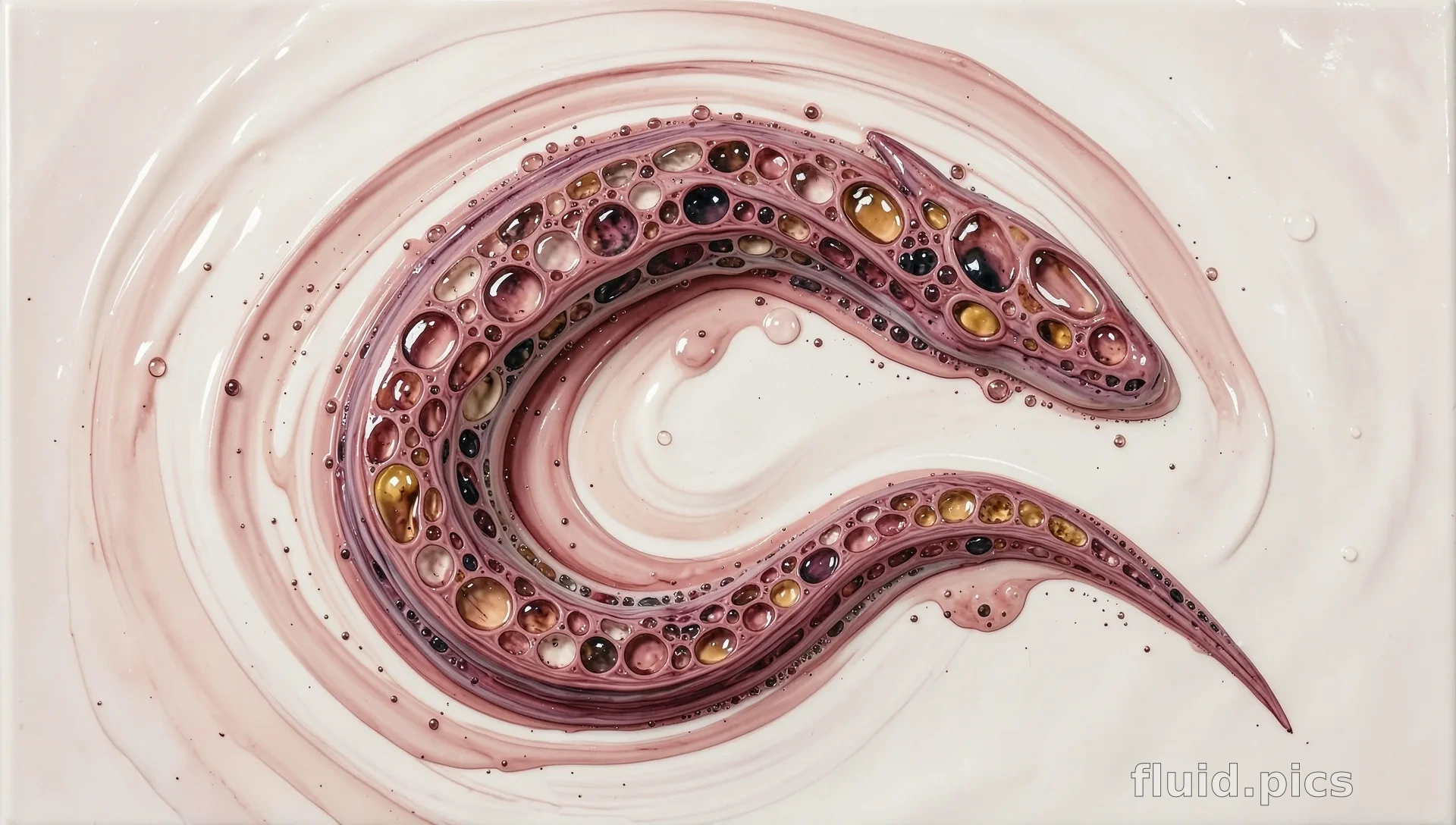
What remains constant is the creative use of systems. A rule becomes an image only when it is given visual direction. In fractal art, iteration can build extraordinary depth; in fluid art, a simulation or physical process can make movement and surface tension part of the composition.
Generative art in Fluid Studio
Fluid Studio uses generative controls as an invitation to explore. Settings define a visual environment, while variation creates a space for discovery. The goal is not to replace artistic attention with a button. It is to let a viewer work with colour, flow, texture and structure until a particular image becomes their own considered choice.
Continue with What Is Fluid Art? to see how fluid processes become visual systems, or explore the Gallery for finished works shaped through generative and hybrid methods.