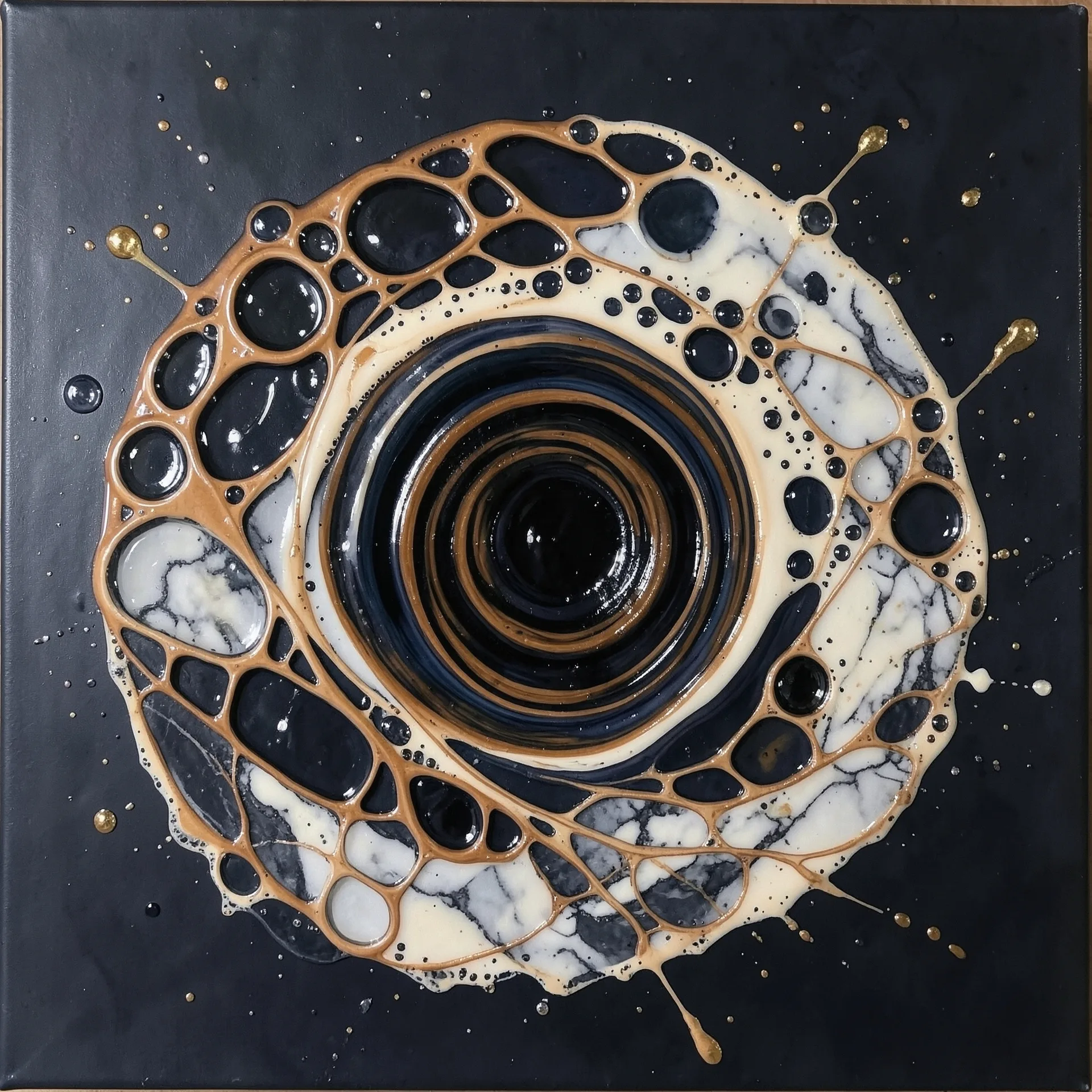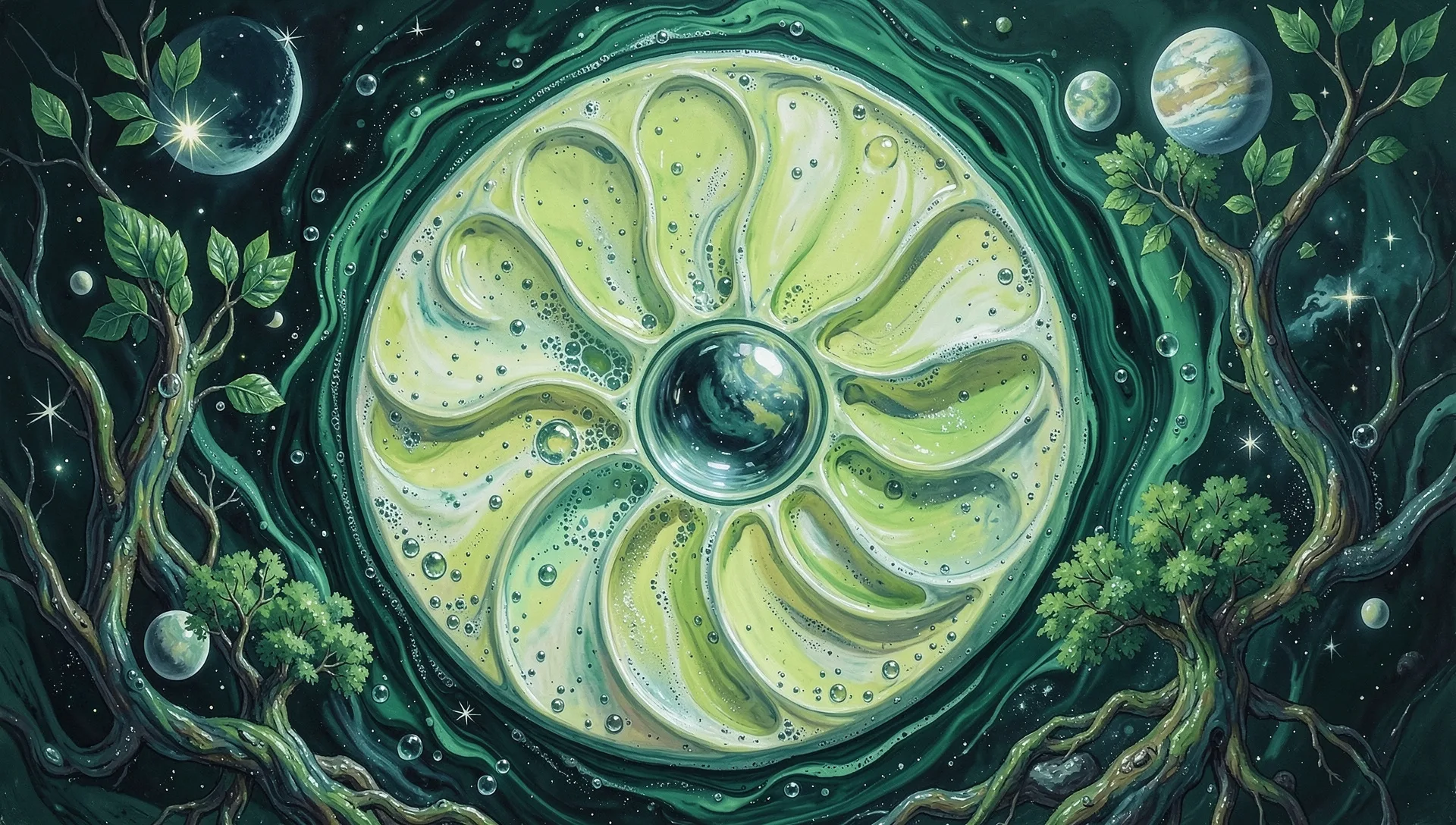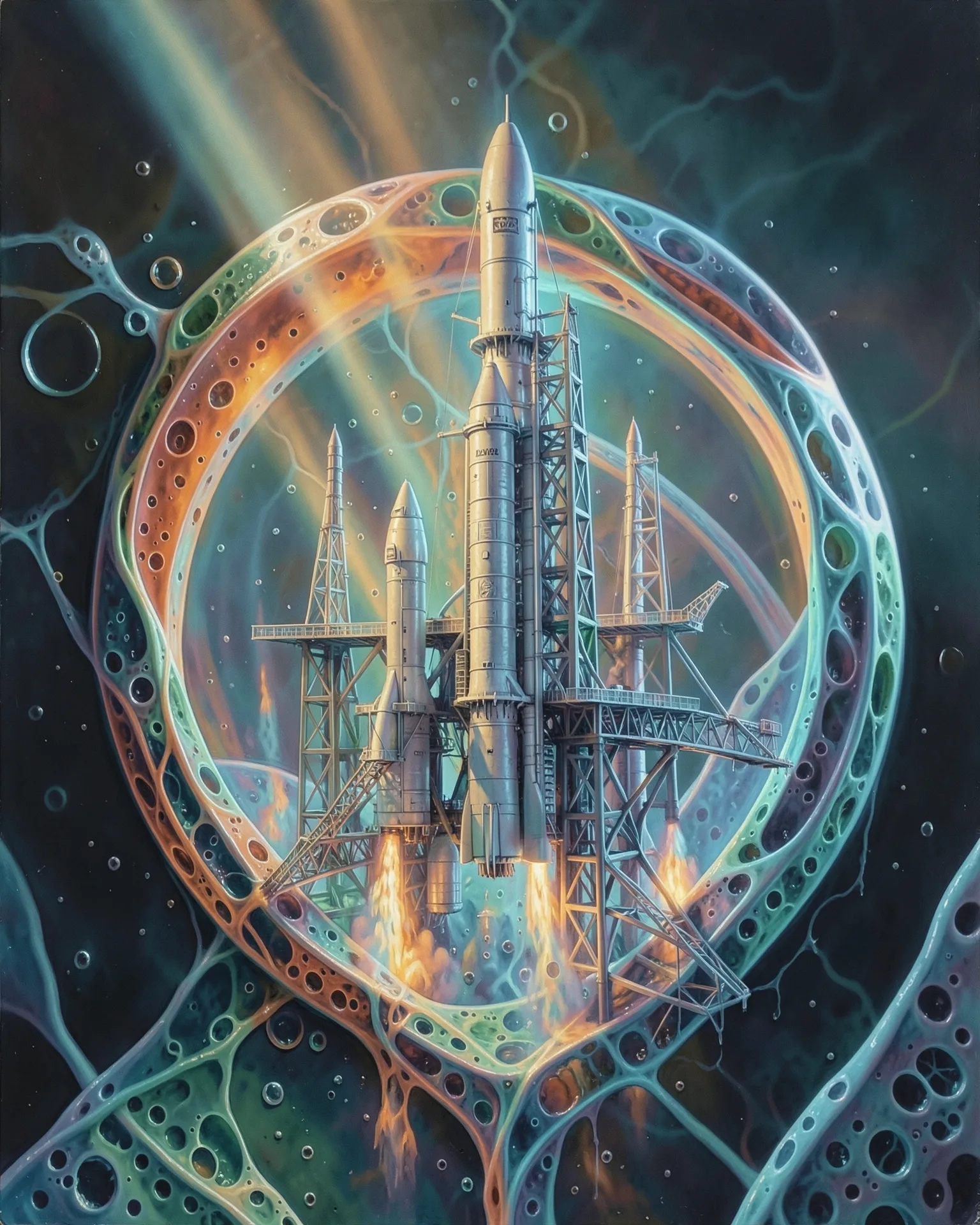
The history of abstract art is not a straight line away from reality. It is a history of artists finding new ways to organise experience through colour, line, movement, geometry and material. At the beginning of the twentieth century, many artists began to question whether painting had to describe visible objects at all. They looked for visual languages that could carry rhythm, emotion, structure and spiritual or social ideas without relying on conventional representation.
Early abstraction
Several artists reached abstraction through different paths. Wassily Kandinsky connected colour and form with inner experience and the dynamic force of music. Hilma af Klint developed symbolic systems and large-scale compositions whose geometry and organic forms seem to move between visible and invisible worlds. Kazimir Malevich reduced painting toward decisive relationships of shape and space, while Piet Mondrian pursued a disciplined balance of verticals, horizontals and primary colours.
These approaches were not interchangeable. Some artists sought intensity and movement, others order and reduction. Together they showed that an image could remain visually powerful when its meaning no longer depended on depicting a familiar scene.
Geometry, expression and new visual languages
Through the twentieth century, abstraction expanded in many directions. Geometric artists explored systems, grids, serial relationships and precise proportion. Expressionist painters used gesture, scale and colour to make painting feel immediate and physical. Later movements pushed toward minimal forms, optical vibration, hard edges, process and material experimentation.
Abstract art therefore cannot be reduced to one style. It includes orderly structures and explosive marks, quiet monochrome fields and complex all-over compositions. What connects them is a shift of attention from the depicted object toward the forces that organise the image.
Abstraction after painting
Photography, film, design and electronic media widened the field. Artists could work with light, projection, repetition, movement and time. Digital tools later made it possible to build images from parameters, simulations and programmed rules. A composition could now be generated, transformed and explored as a system rather than fixed at the first mark.
This did not remove the artist from the work. It made authorship more explicitly editorial: choosing a rule, setting a range, selecting an outcome and deciding how an image should be seen. That is a central theme of generative art.
From abstraction to digital and generative practice
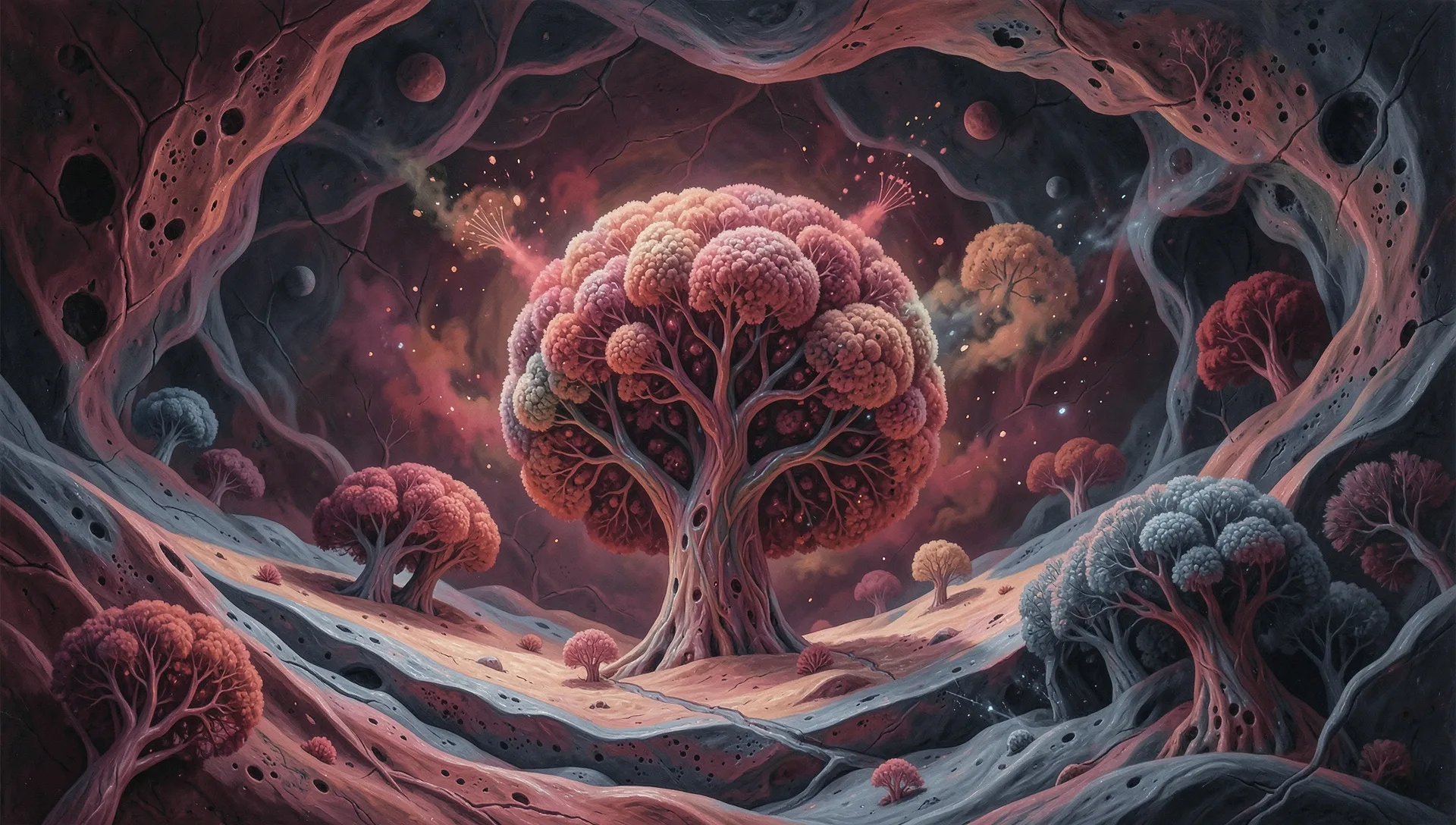
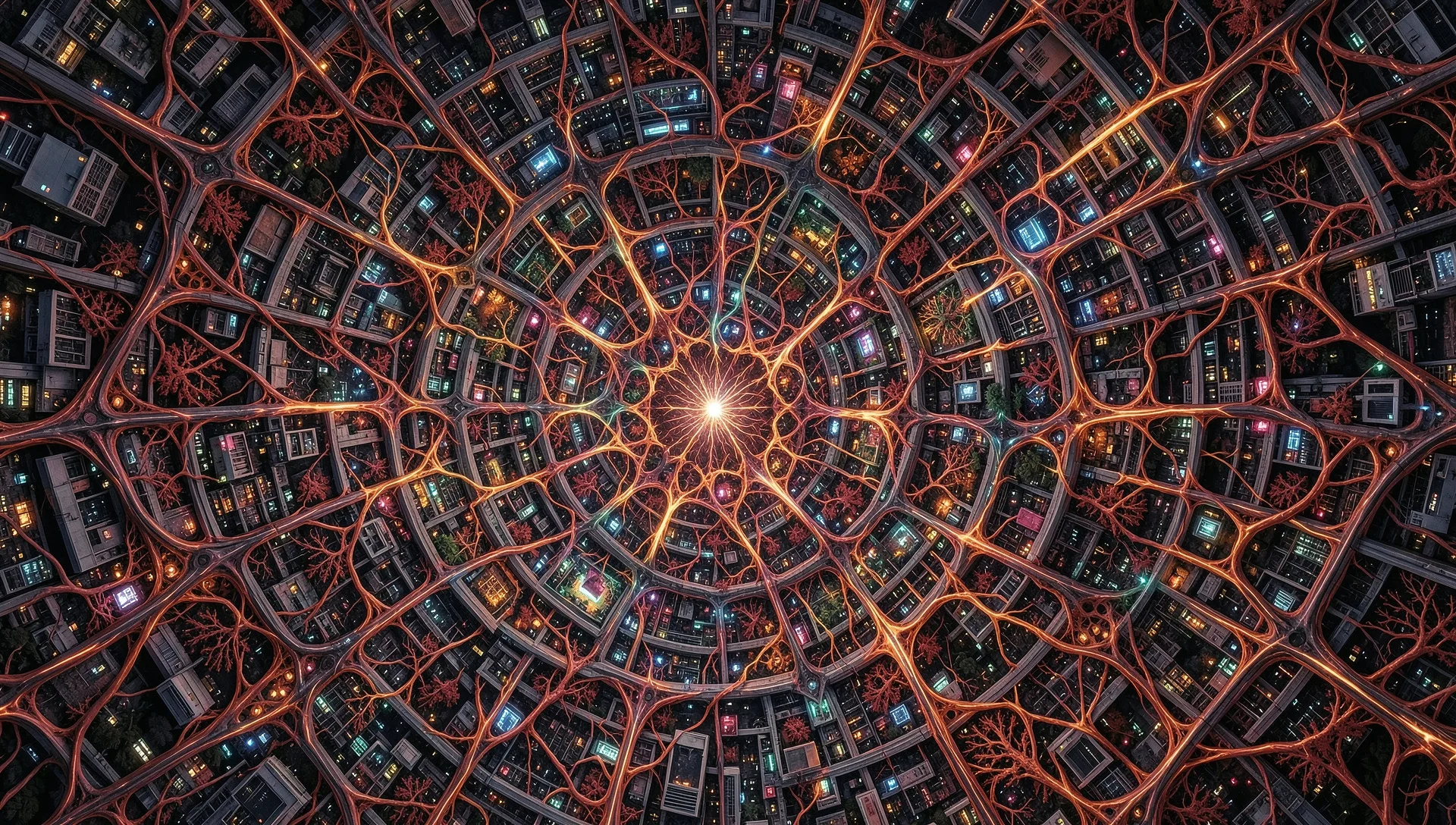
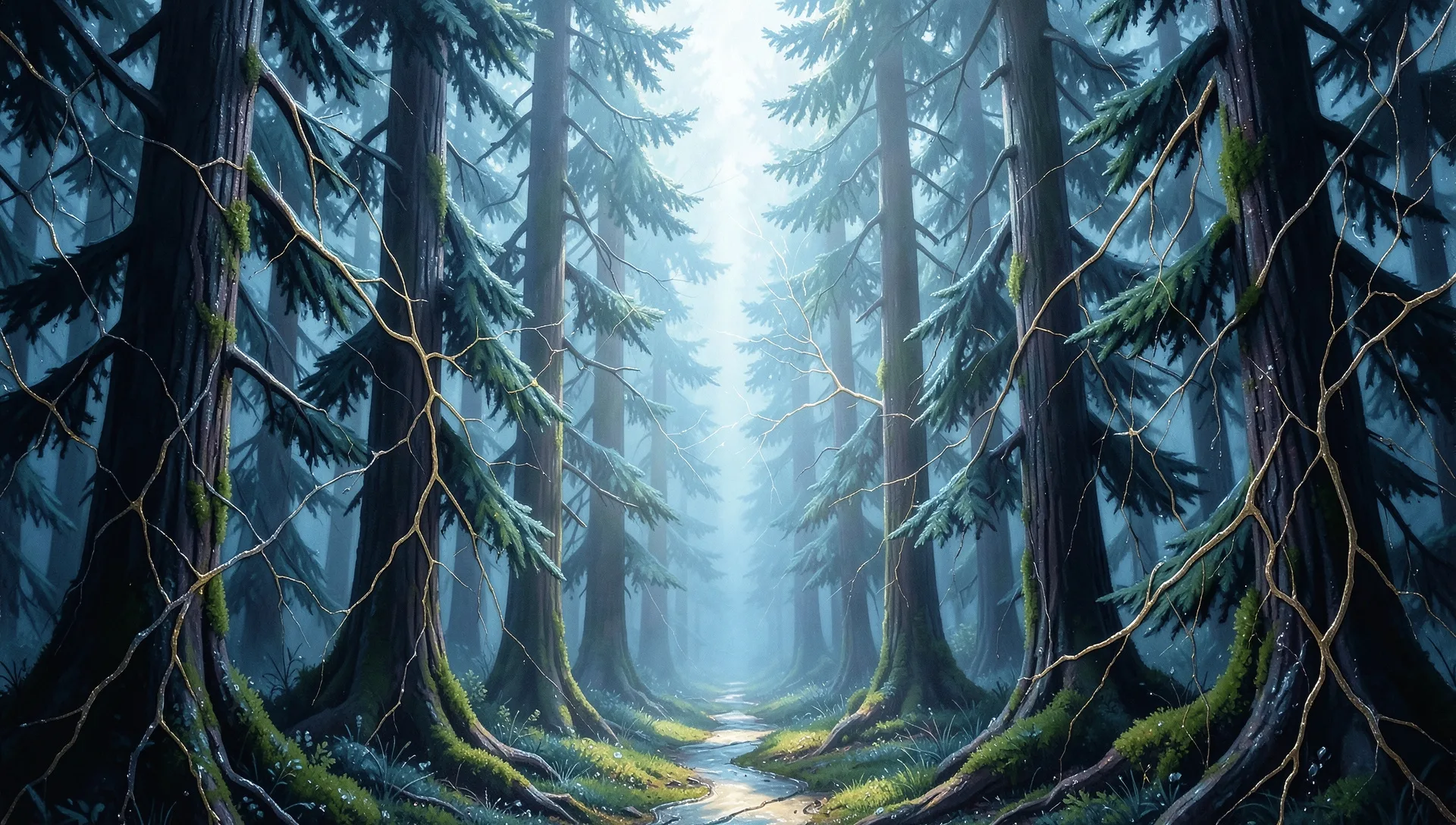
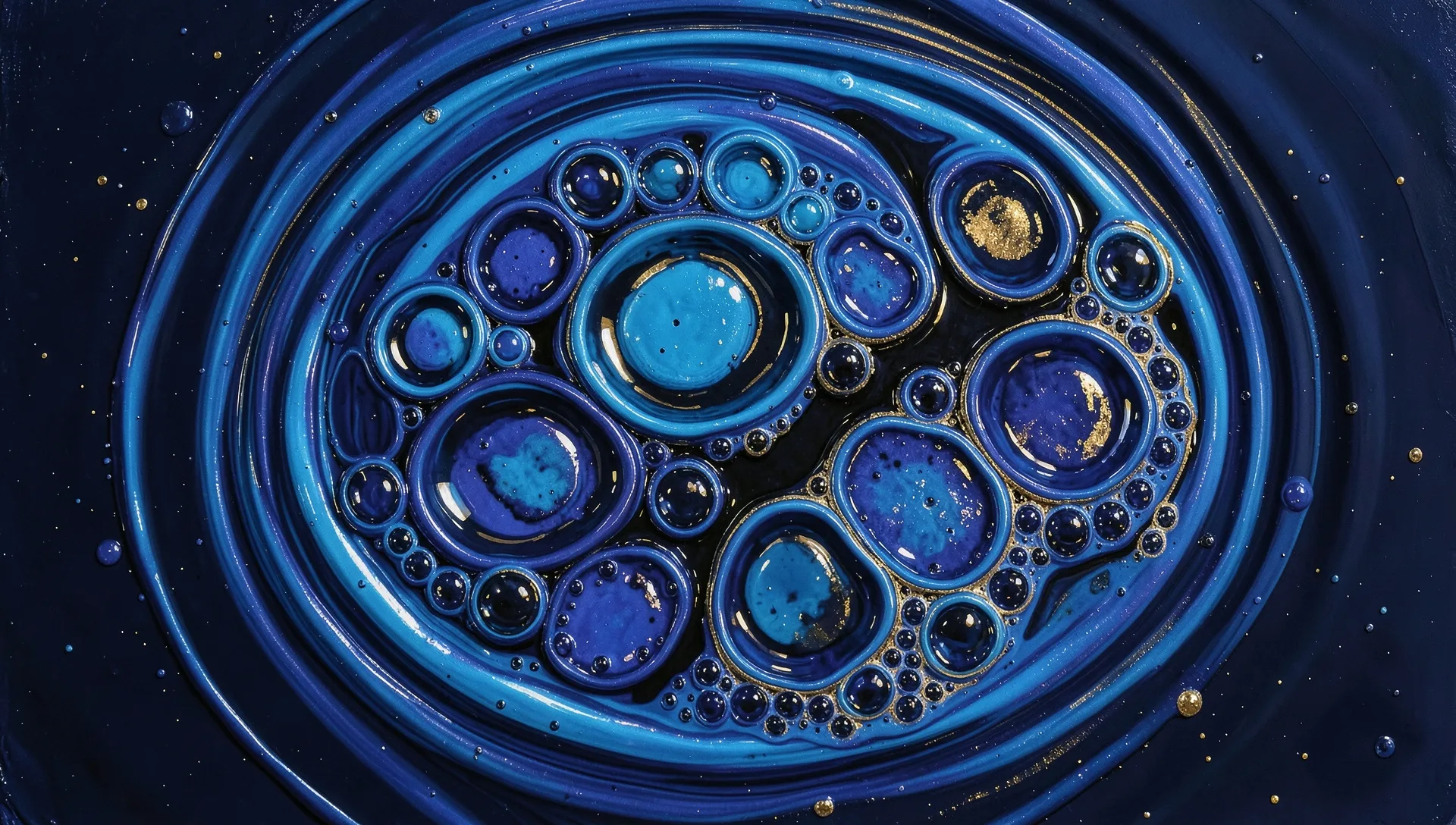
Contemporary abstract art moves freely between physical and digital media. A painter can use code as a sketching tool; an artist working with software can retain the sensibility of gesture, material and colour. Fractal structures, fluid simulations and hybrid processes allow order and chance to meet in new ways.
The continuity is visual rather than technical. Early modern artists asked what a line, a colour or a plane could do when freed from description. Digital artists ask related questions through algorithms, iterations and responsive systems. The tools change, but the attention to form, rhythm and perception remains.
A living history
Abstract art is still evolving because it offers an unusually open way to think through images. It can absorb new technologies without losing its earlier questions: how does a form create tension, how does colour establish a world, and how can an image hold attention without telling a literal story?
For a closer look at the act of viewing, read How to Understand Abstract Art. Fluid Studio continues this living history in the Gallery, where digital processes are used as instruments for composition rather than as substitutes for artistic choice.