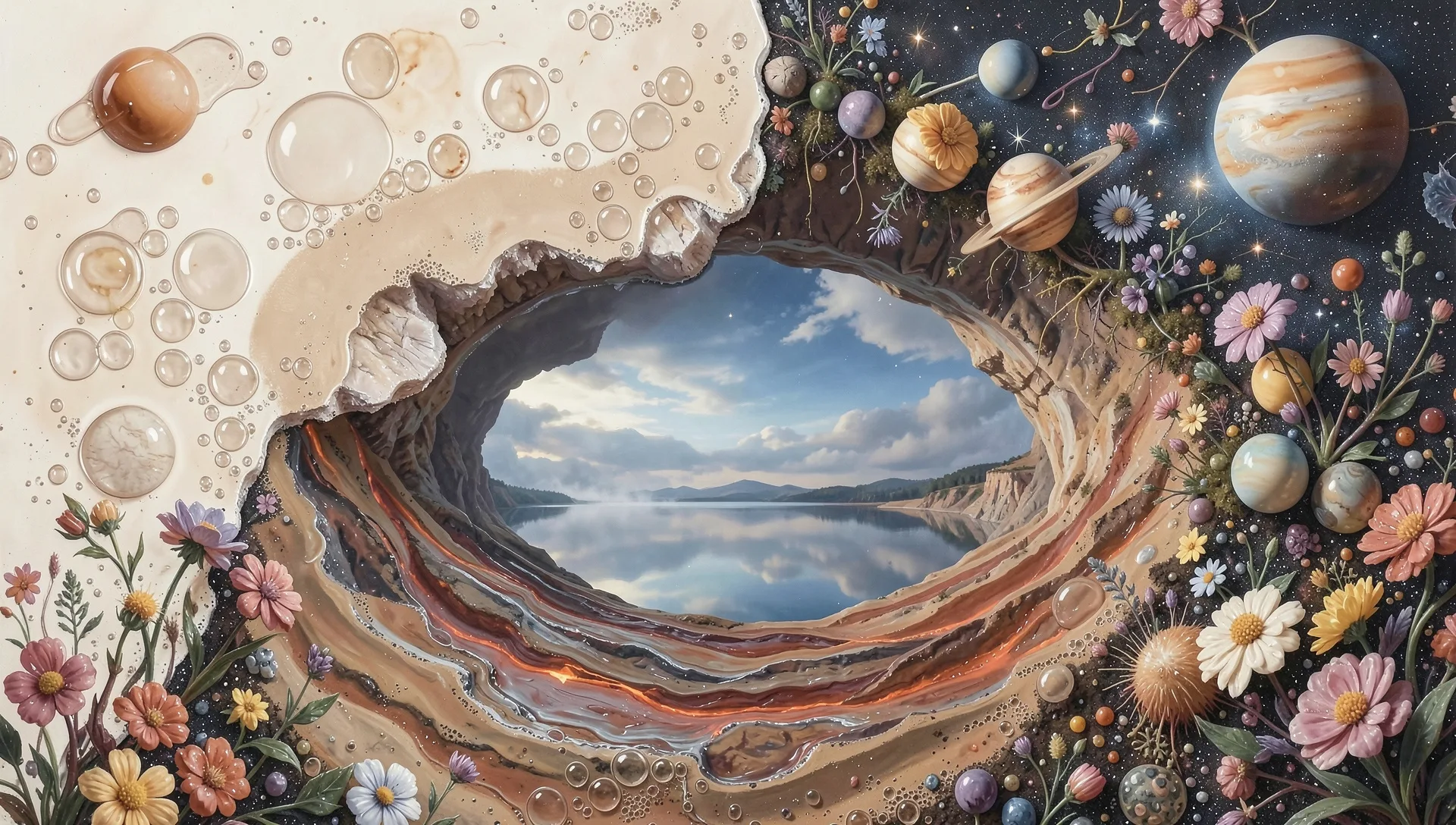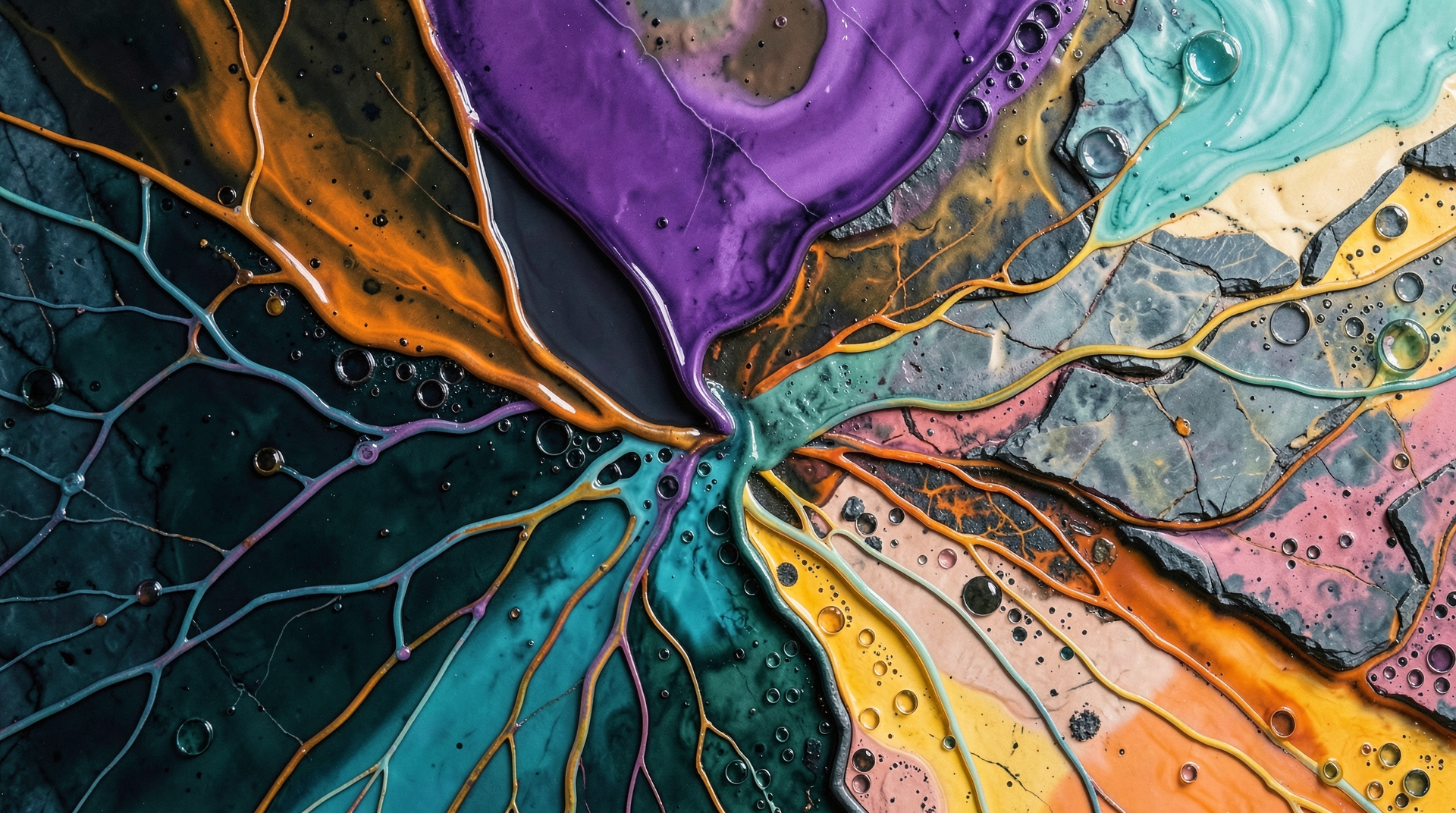
Abstract art is art in which an image no longer has to reproduce the visible world exactly. It can speak through colour, shape, line, rhythm, texture and space instead. Reality does not necessarily disappear: it may remain in a gesture, a silhouette, a horizon or a faint trace of a familiar object. Sometimes the subject almost dissolves, and the composition begins to follow its own visual logic.
That freedom does not make abstract art empty or obscure. It changes where meaning is found. An artist may set a direction, while the viewer completes it through attention, memory and feeling. A work can be intellectually ambitious, emotionally direct, meditative or simply compelling to look at. None of those responses needs to cancel the others.
Beauty can be the content
Not every abstract painting asks to be decoded. A message, symbol system or hidden key is not required before a viewer is allowed to enjoy it. Sometimes a composition is beautiful in its own right: a particular relationship of tones, a luminous edge, a field of colour that slows the eye down, or a rhythm that makes the surrounding space feel different.
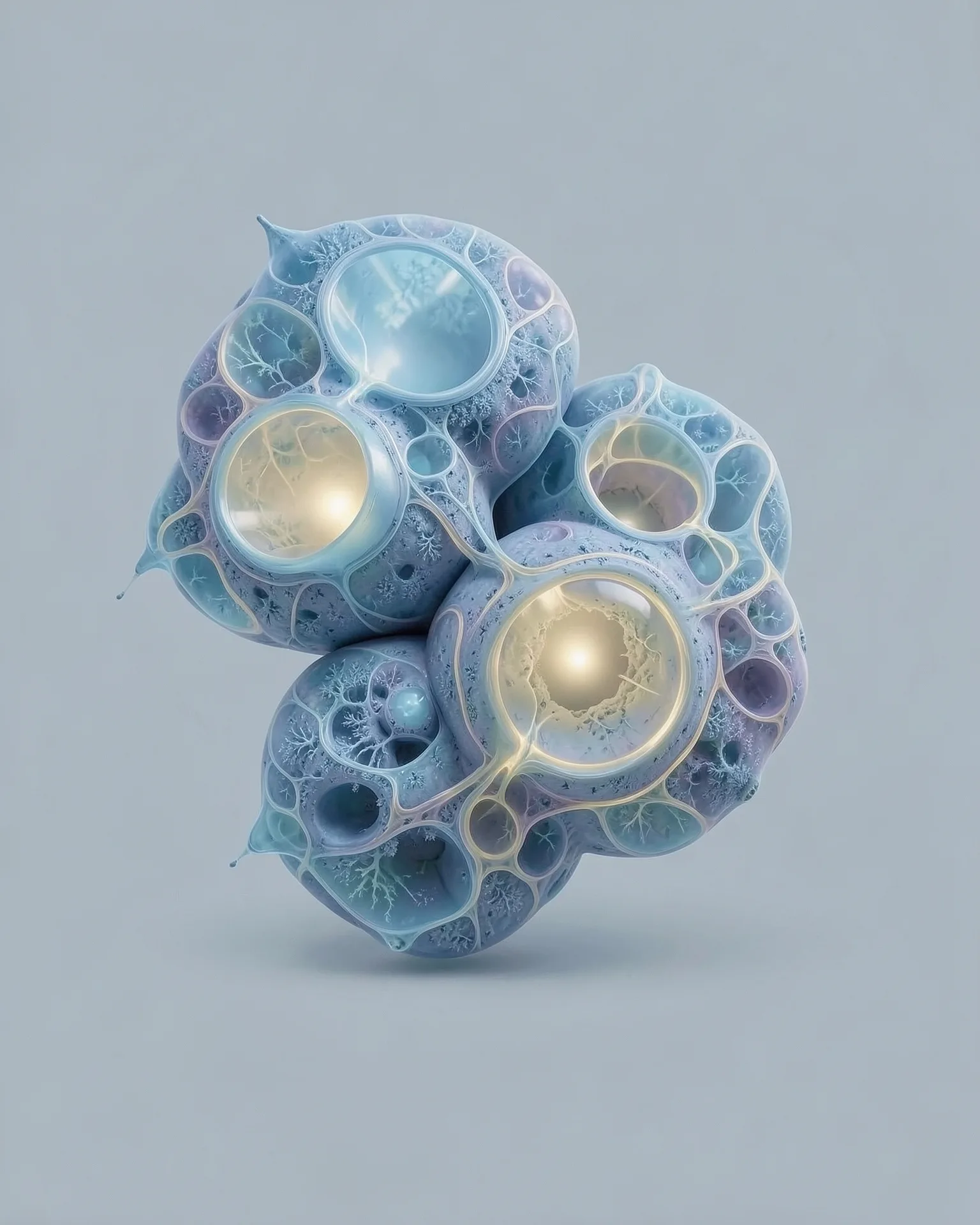
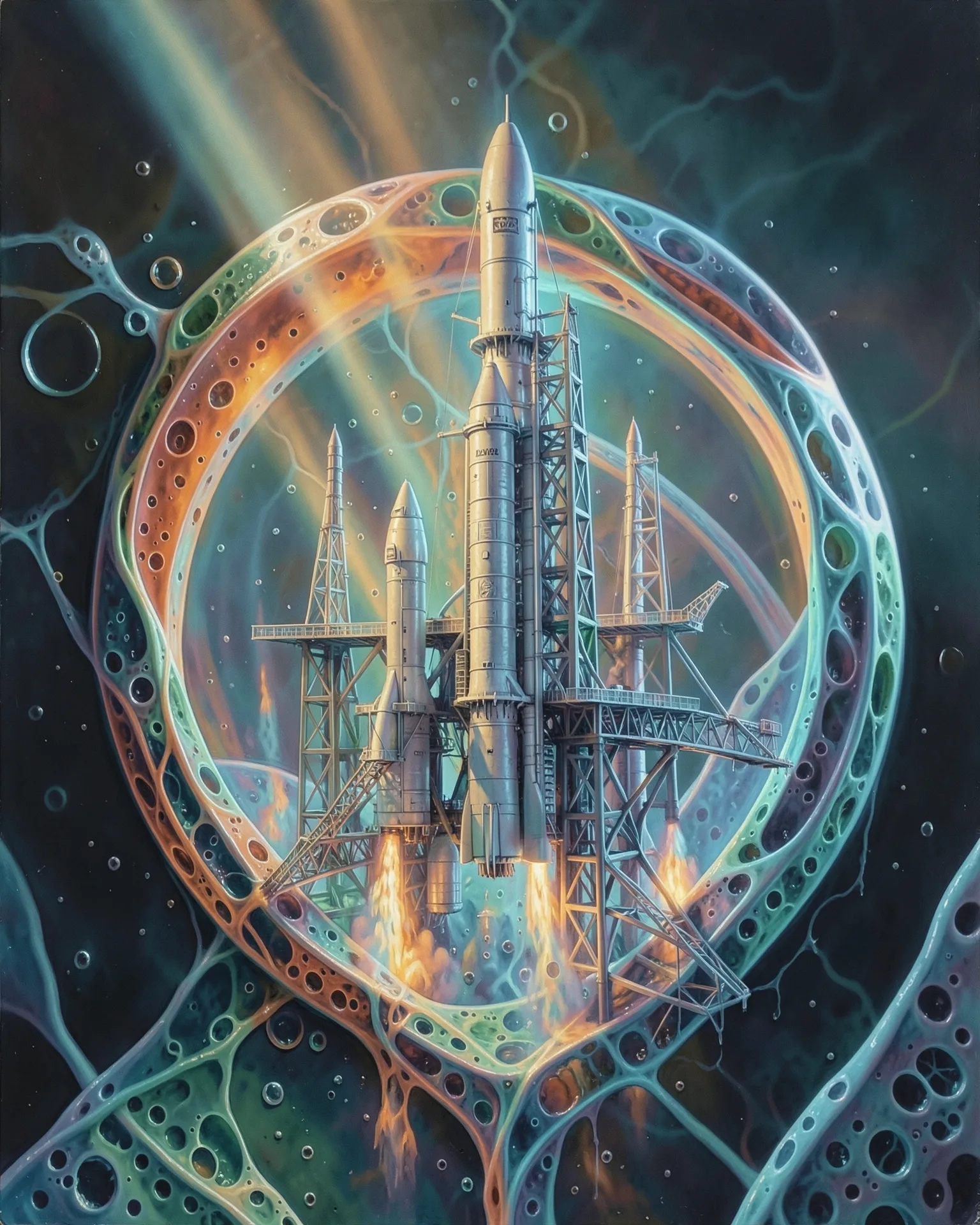
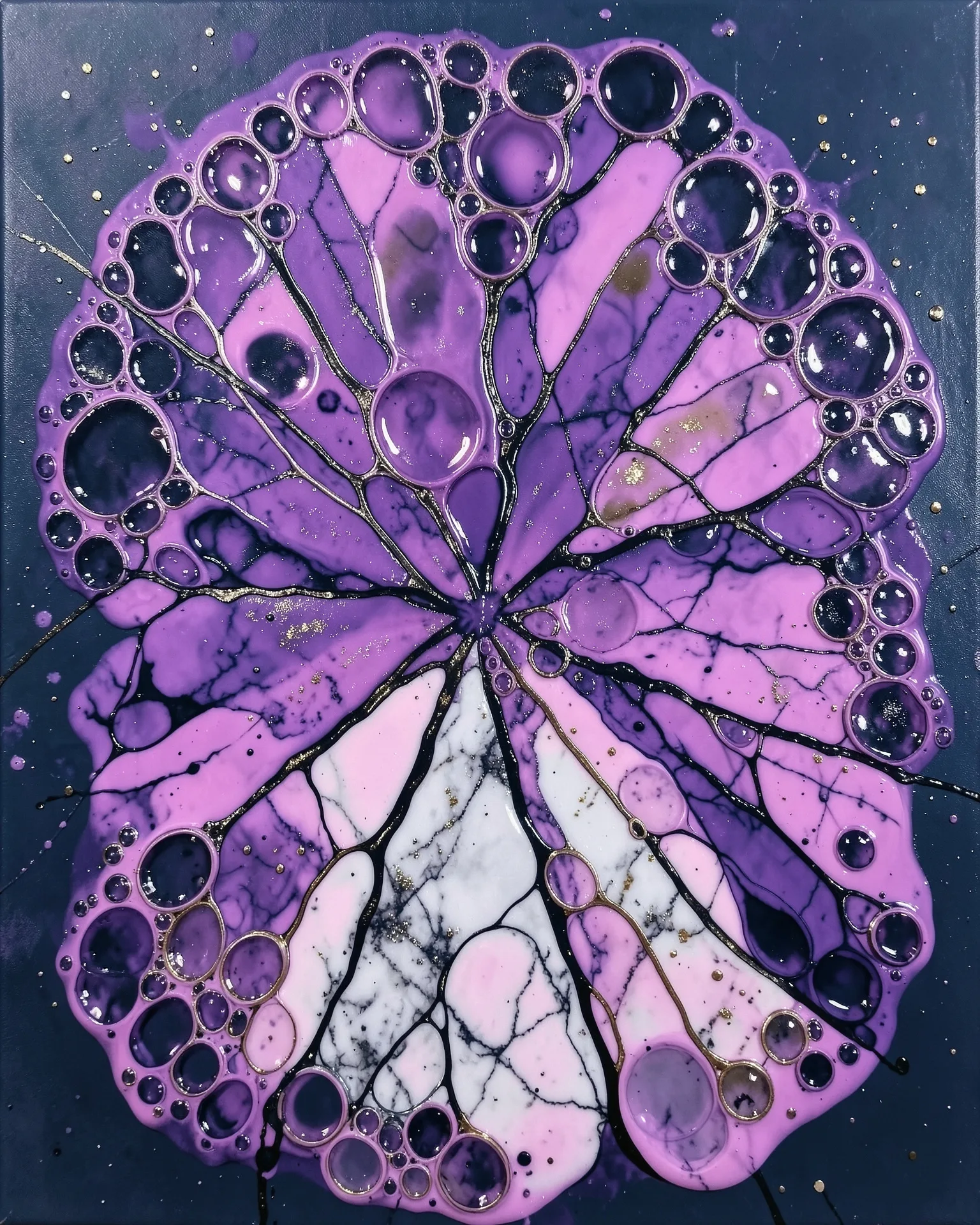
In fluid art, colours meet, spread, separate and gather into forms that did not exist a moment earlier. They may recall water, stone, clouds, fabric or an aerial coastline without being illustrations of any one thing. In fractal imagery, a pattern opens into itself again and again, moving across scales until the eye loses the sense of a final boundary. The pleasure comes from following that movement, not from naming every association.
We do not always ask what a sunset or the reflection of light on water means. Sometimes colour, motion and light are already enough. Abstract art works in a similar way: aesthetic experience is not a decorative surface around a more serious idea. It can be the subject of the work itself.
From recognition to interpretation
Beauty can also become the beginning of meaning. A viewer may first notice an unexpected colour combination, then a depth, a repeated interval or a small interruption in a rhythm. Later, the image starts to suggest a coastline, a body, a remembered place or a state of mind. The work has not changed, but the viewer's attention has made a route through it.
A later viewing can produce a new reading: mood, experience and the time a person gives the image all shape the encounter. Abstract art makes room for that change because it does not require one fixed story.
How reality becomes abstract
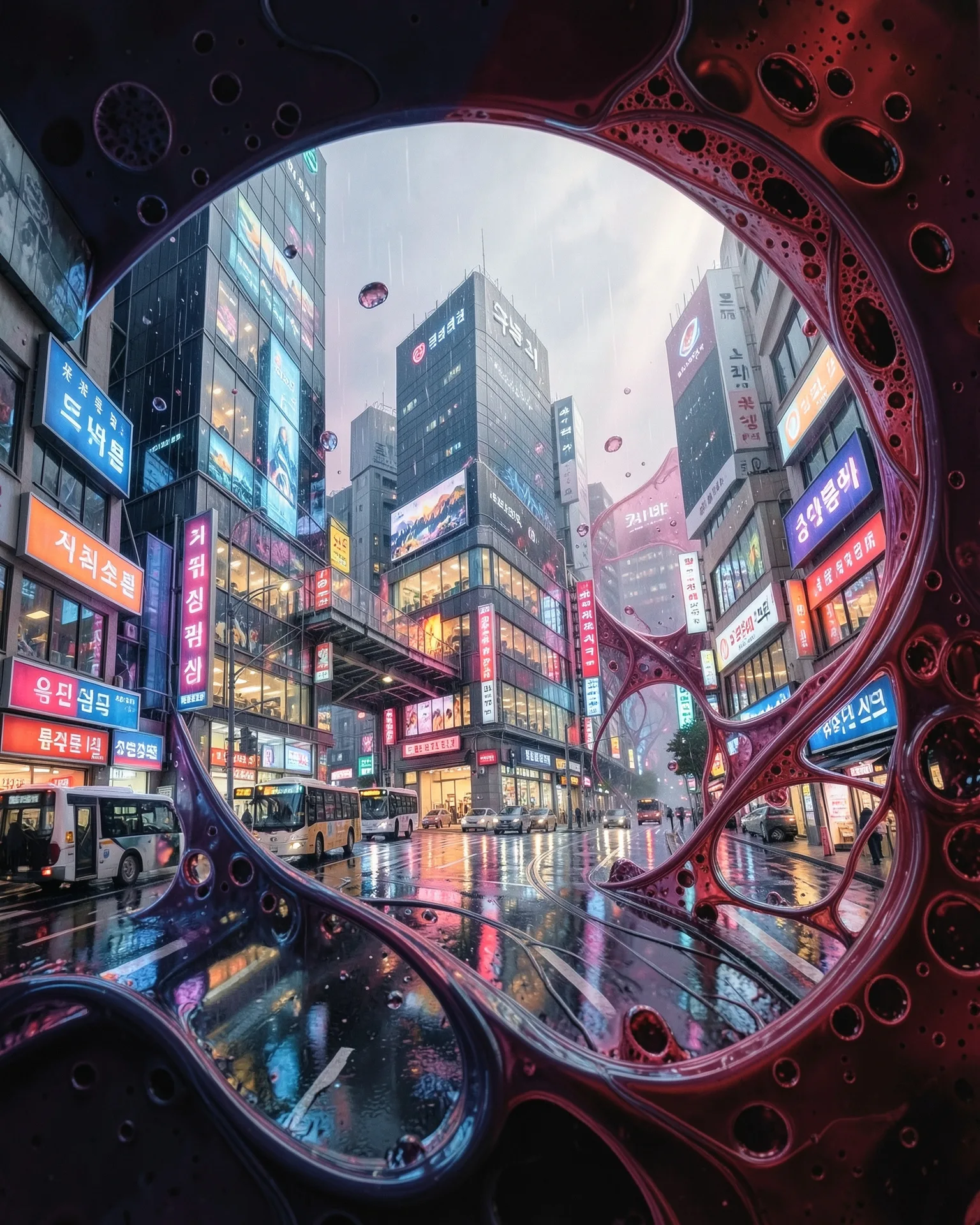
Imagine a city after rain. The wet pavement catches windows, signs, branches and the deep blue of the evening sky. A slight disturbance in a puddle stretches the architecture, turns lights into streams of colour and softens familiar outlines. The city is still present, yet its identity has shifted toward verticals, reflections, depth and motion.
That transformation explains how abstraction often works. An artist can look at a tree and gradually remove bark, leaves, local colour and ordinary proportion until what remains is growth, upward movement and branching lines. A seascape may lose waves, shore and clouds while retaining horizontal motion, cool depth and changing light. The object recedes, while its visual character remains.
The distance from observation to abstraction can be small or immense. A figure may still be recognisable after its shape has been simplified. Elsewhere it may break into colour planes, or the composition may be built from lines and geometry with no external model at all. Abstract art is therefore better understood as a broad field than as a hard border.
How to look at an abstract work
Begin with what is actually visible. Notice where your eye lands first and where it travels next. Look for weight and lightness, repetition and interruption, density and empty space. A diagonal can introduce movement; a quiet area can become active because it gives the rest of the image room to breathe.
Then allow associations to arrive without treating them as a test. A shape may suggest water, skin, architecture or a map. It may also suggest nothing familiar. Both outcomes are useful. The question is not whether you have found the correct answer, but what the work makes possible for your attention.
For a more practical approach, continue with How to Understand Abstract Art. In Fluid Studio, abstract images can also be explored through the Gallery, where colour, algorithmic structure and gesture meet in different visual systems.