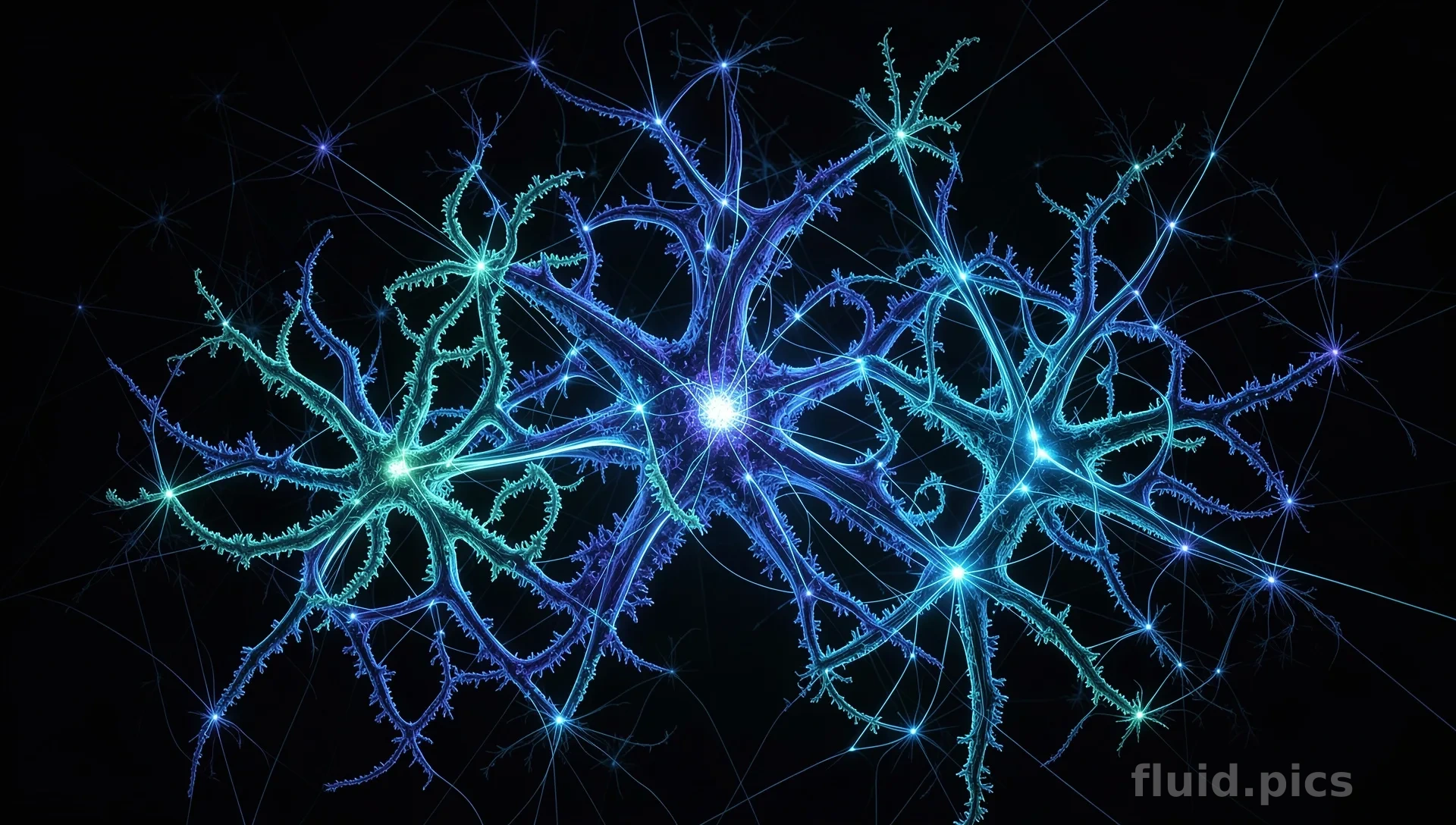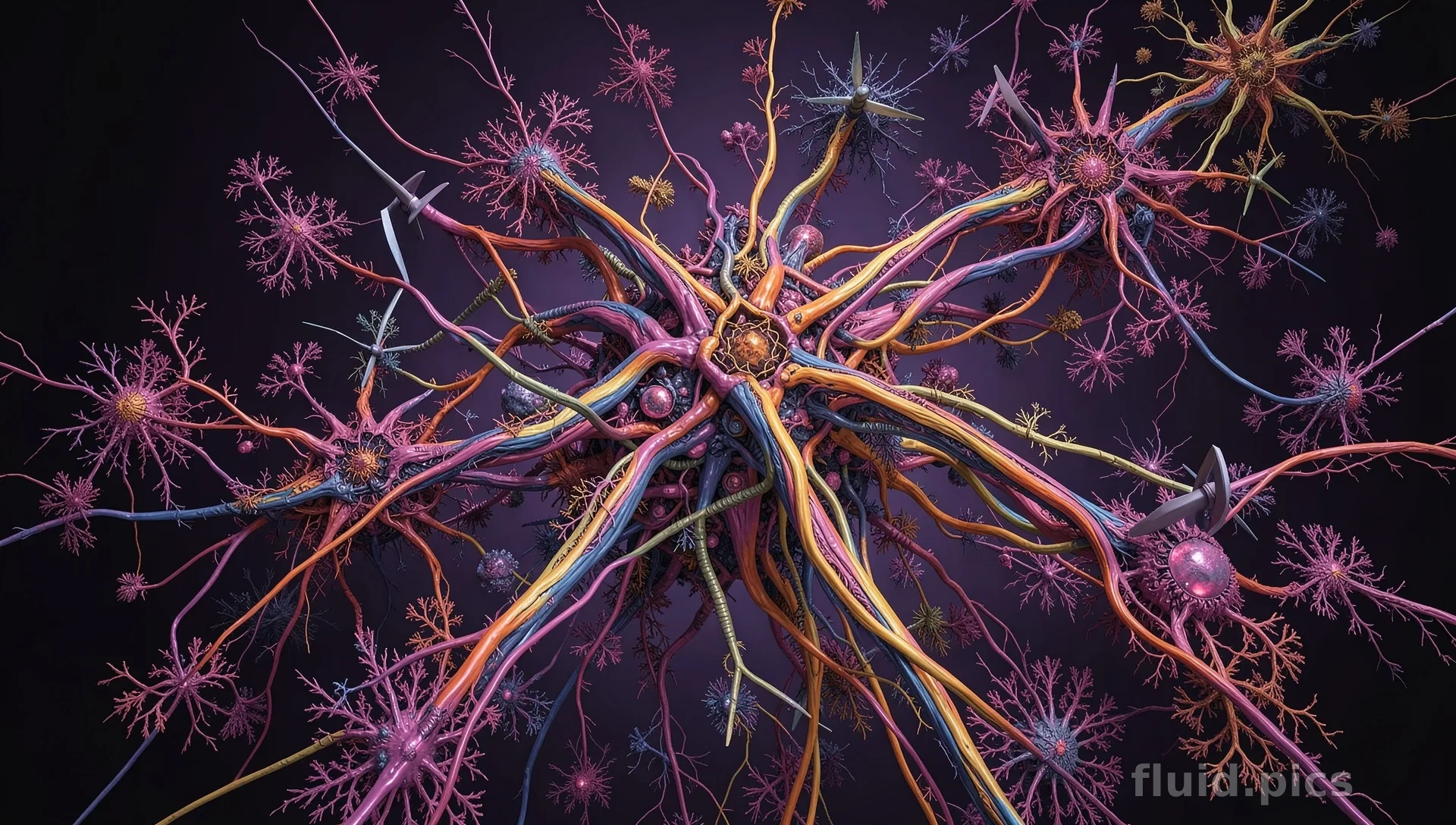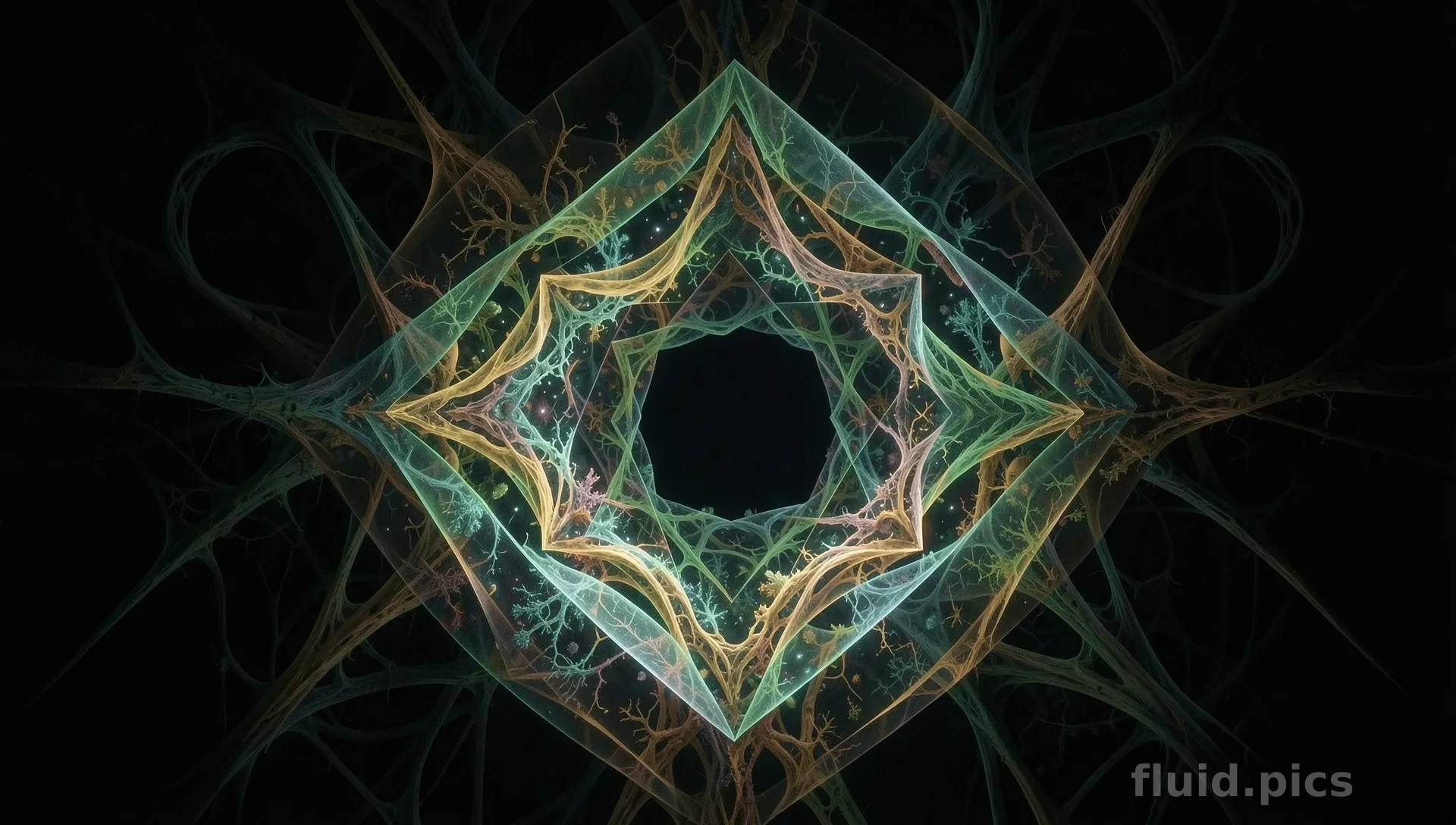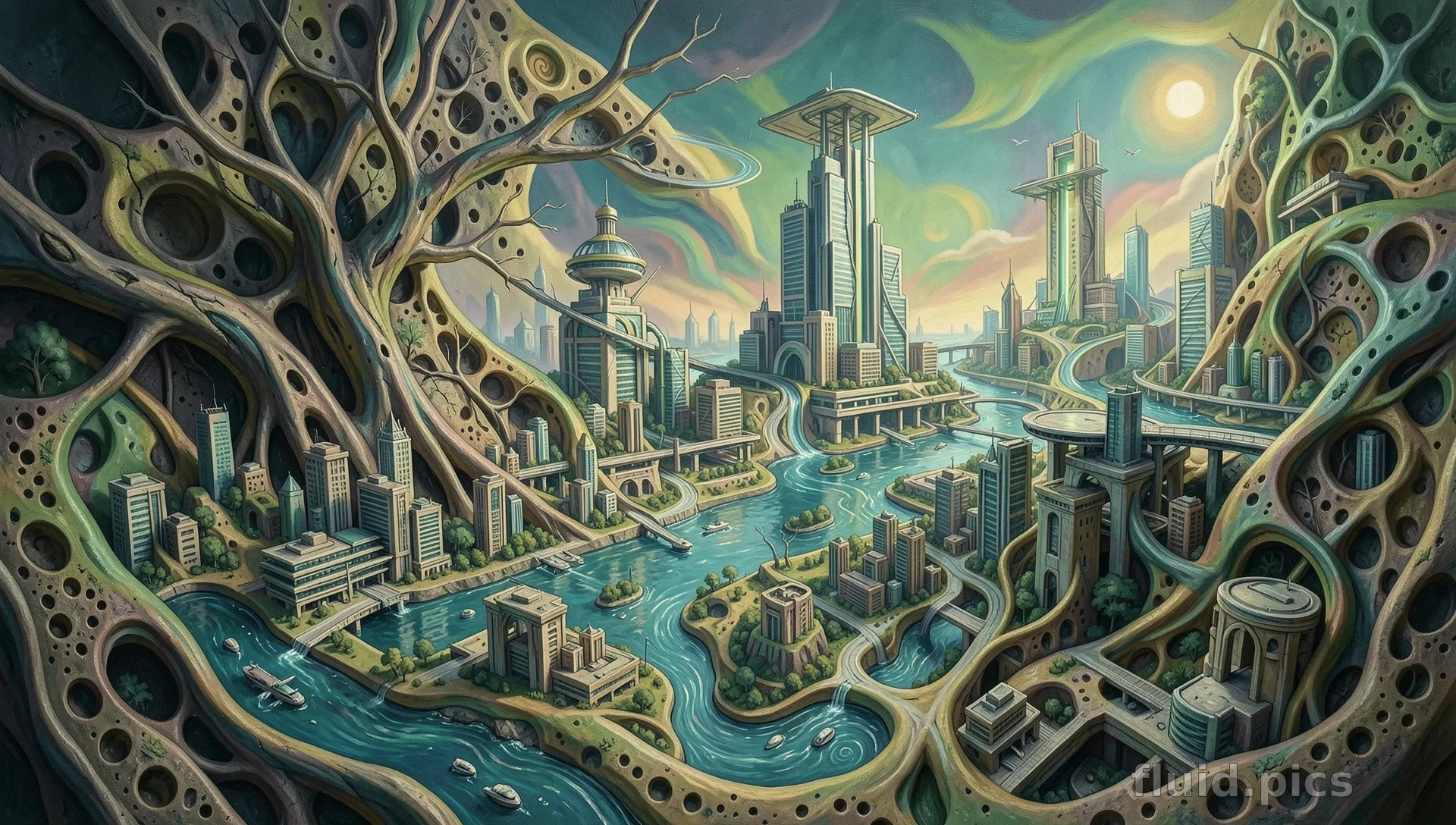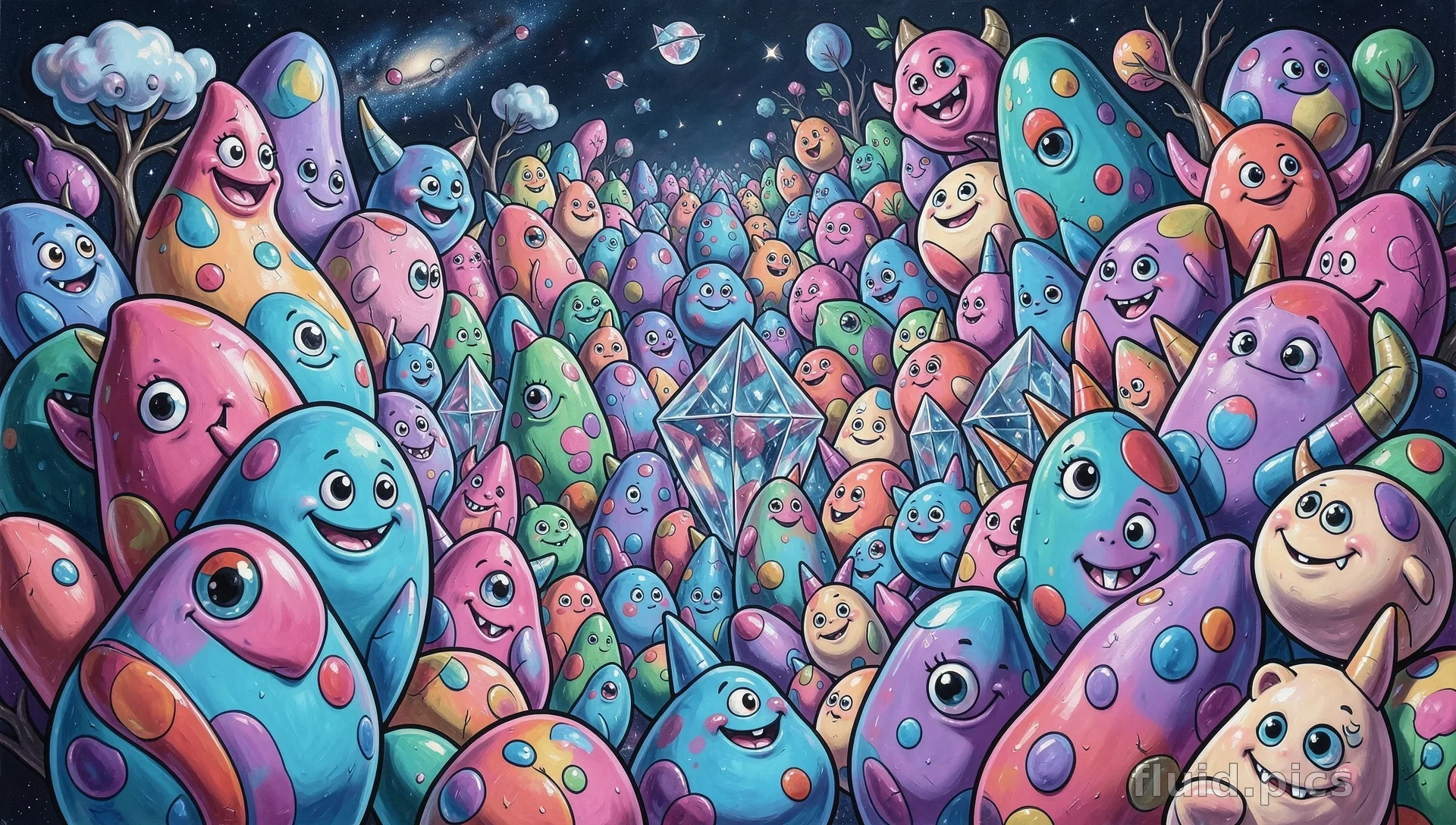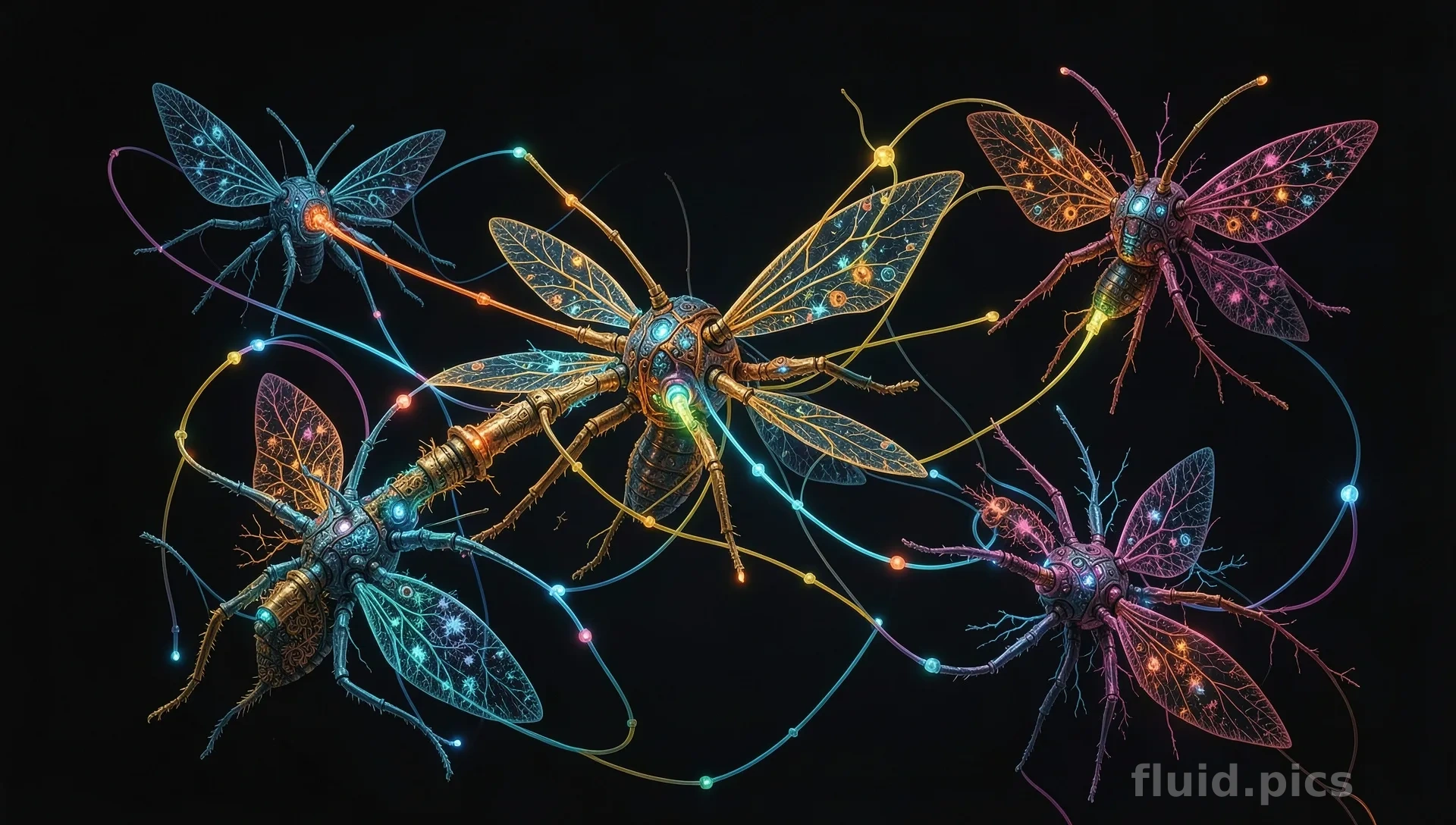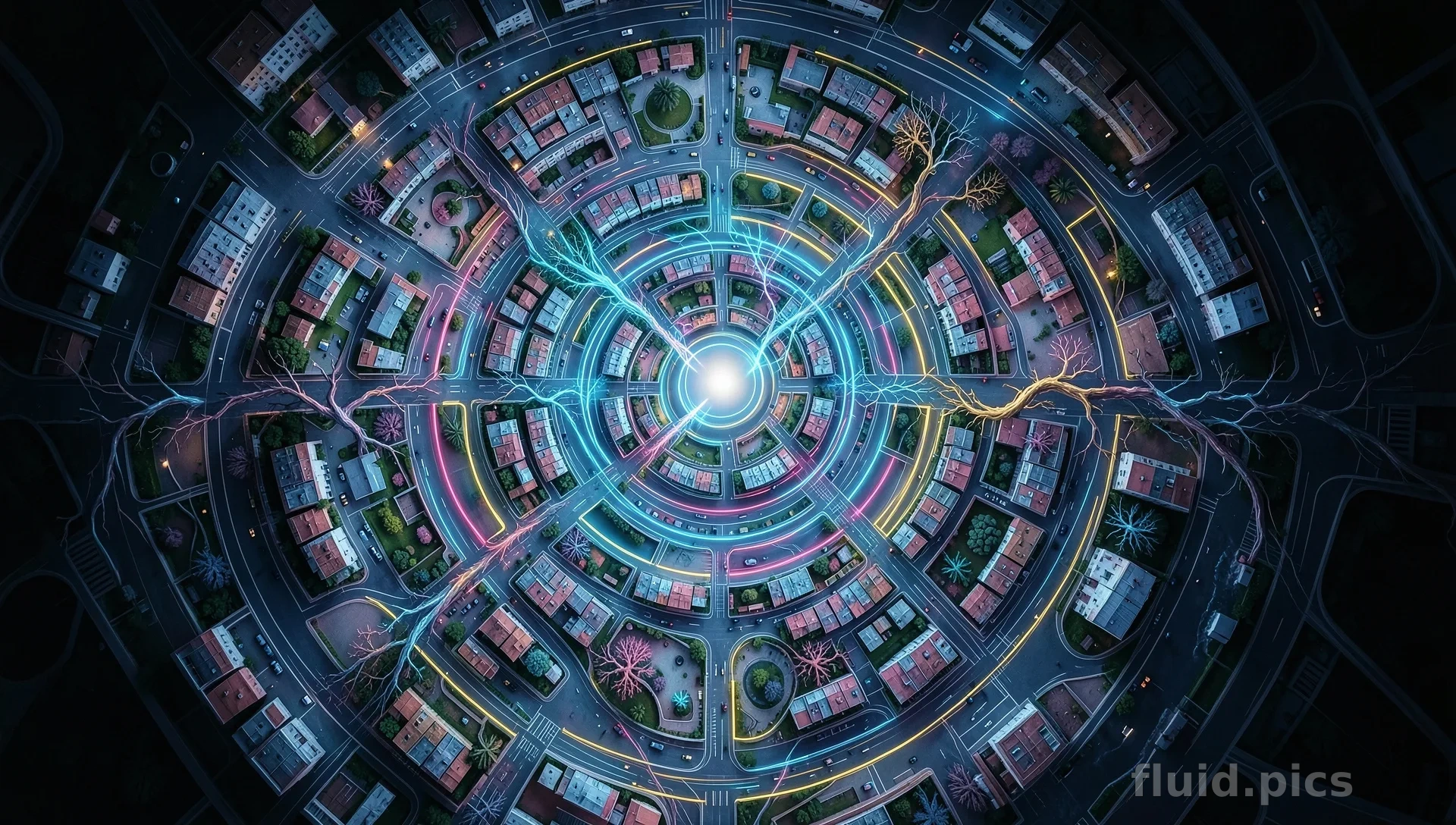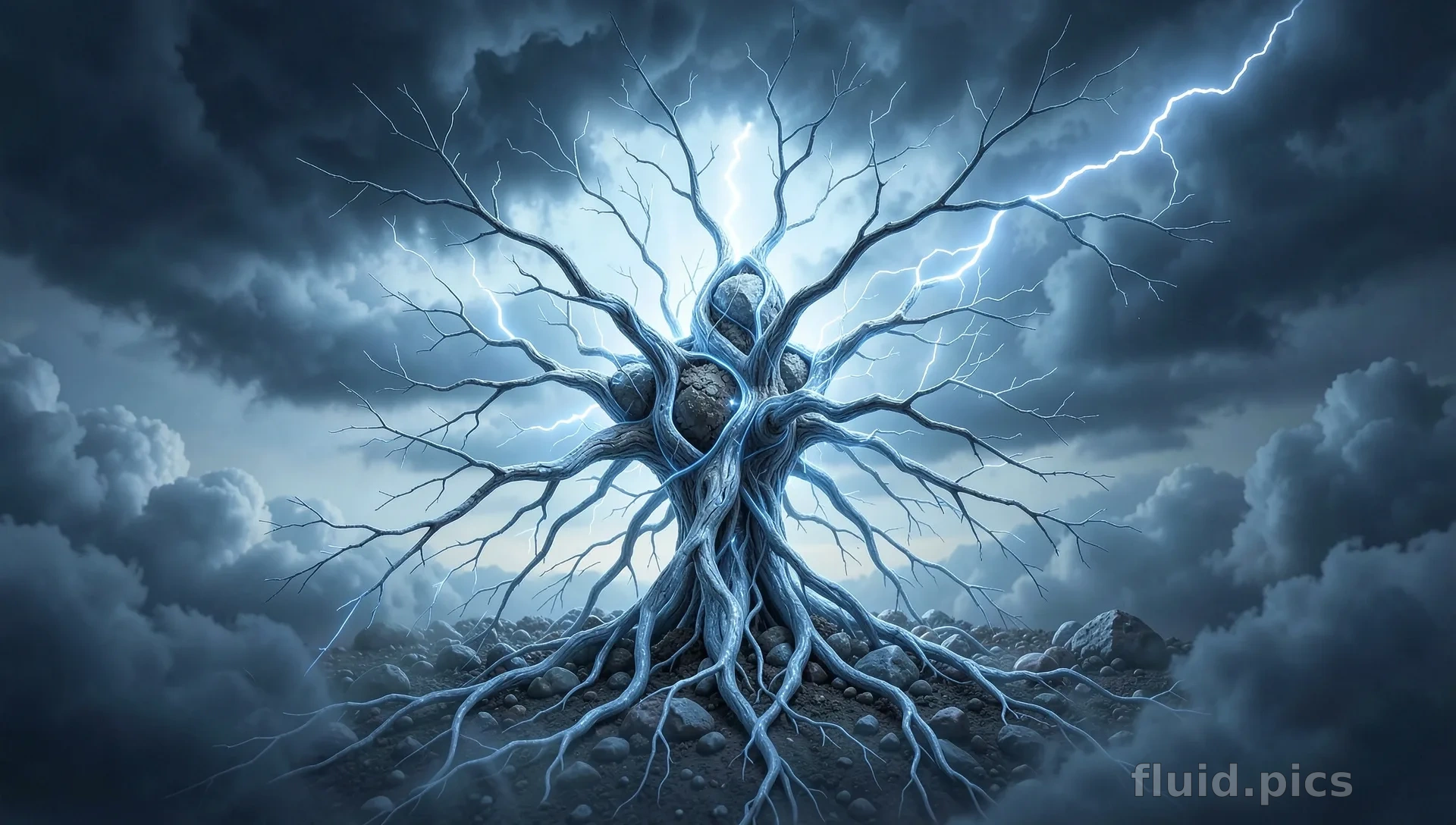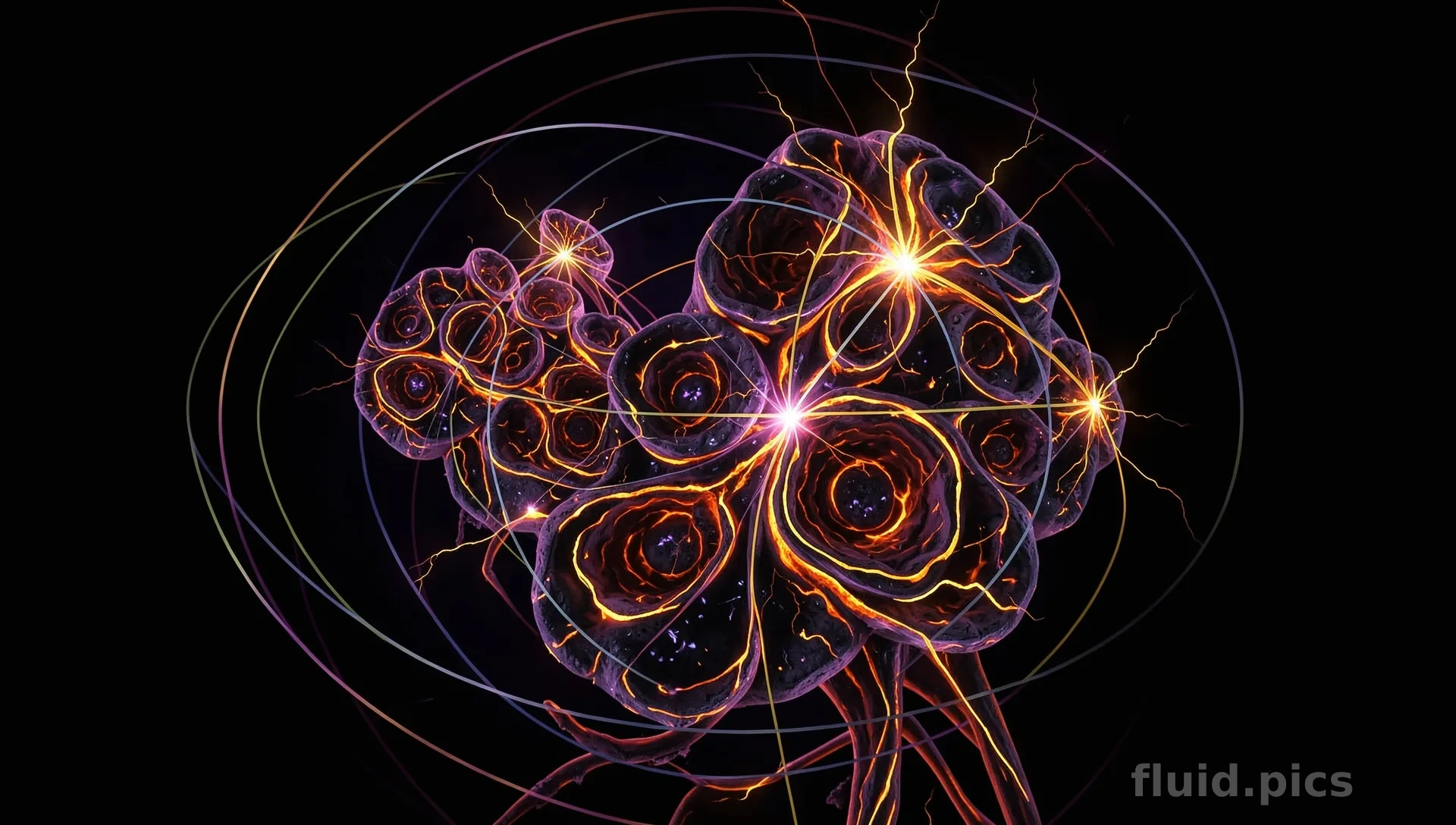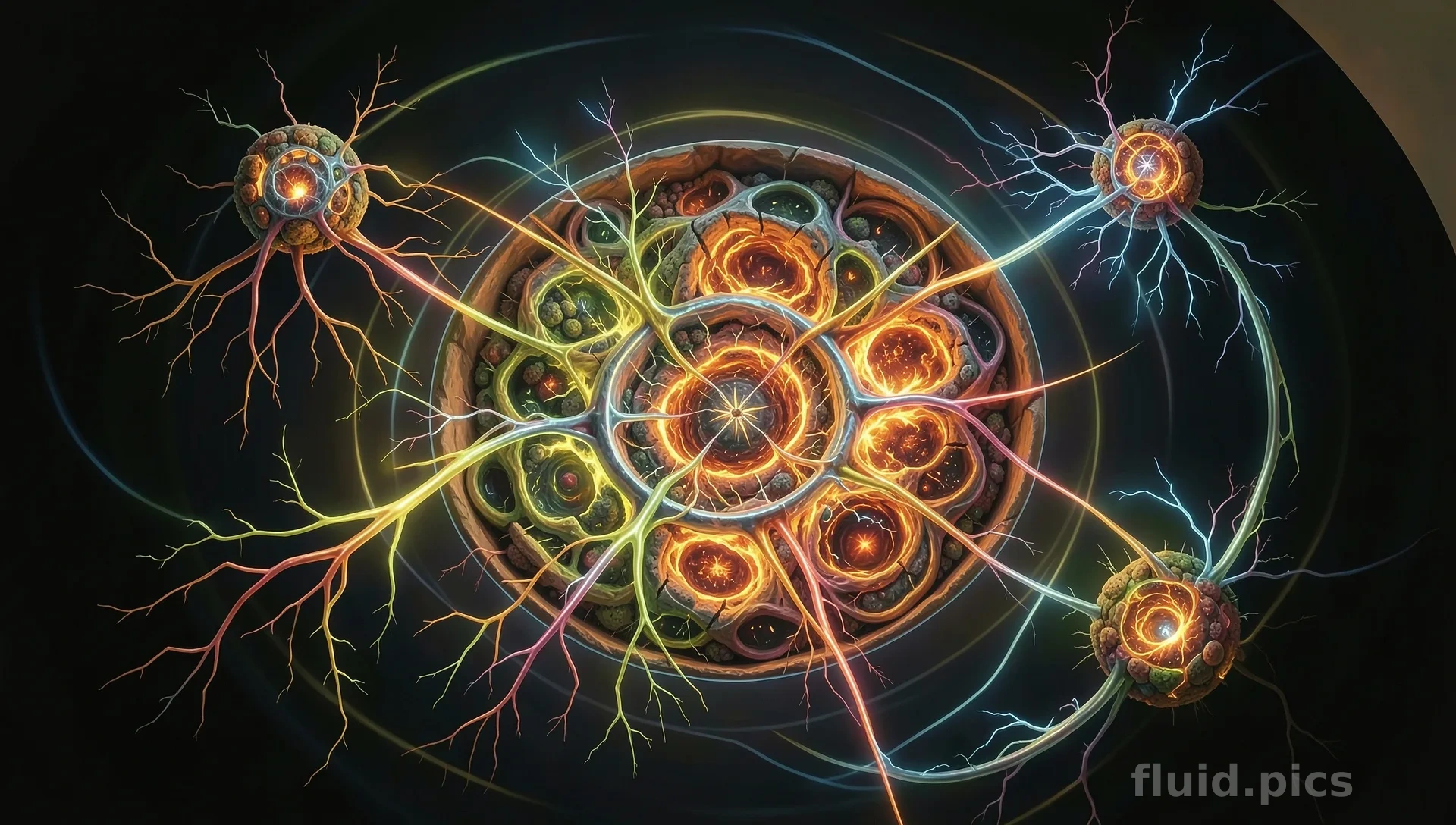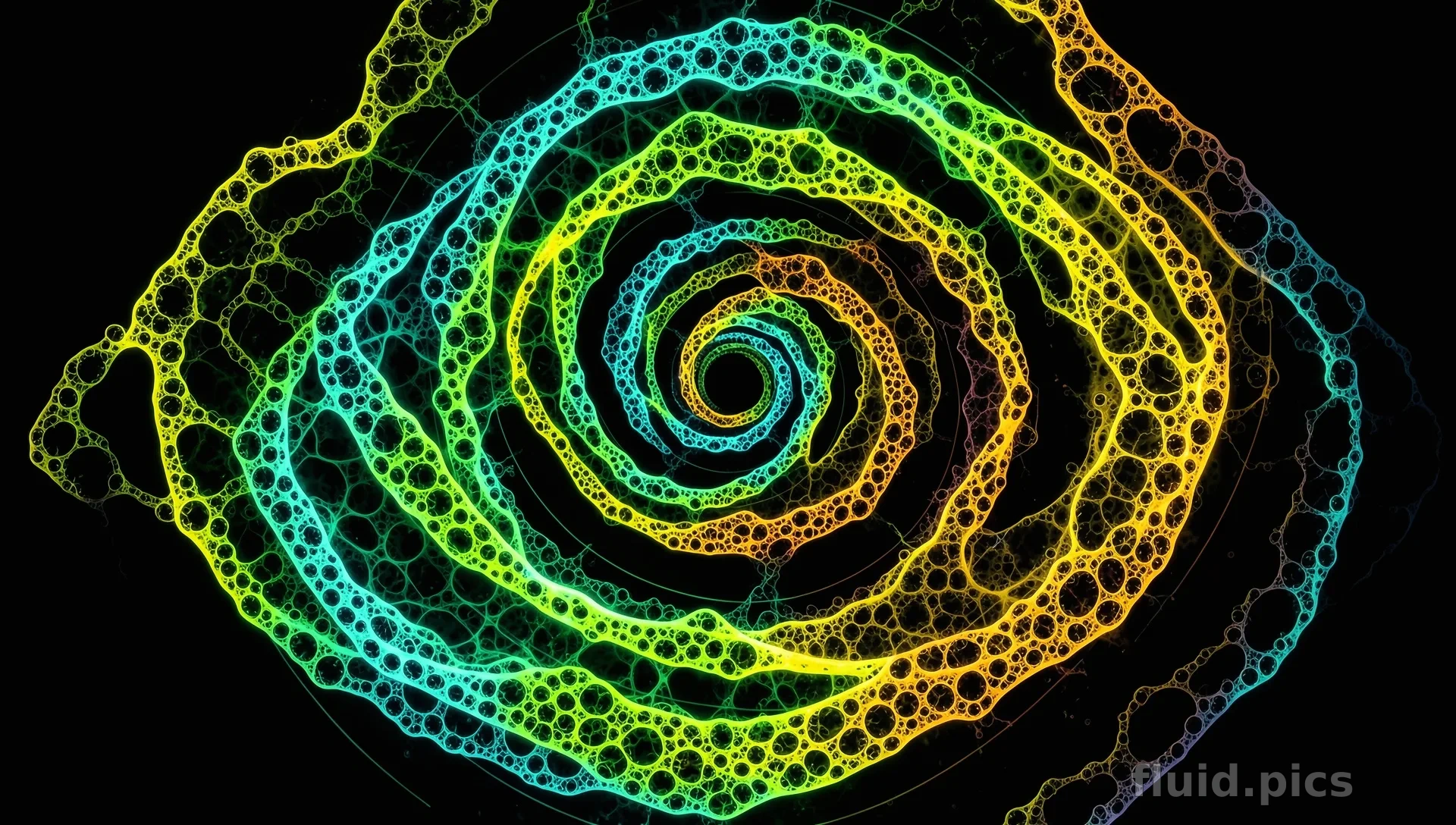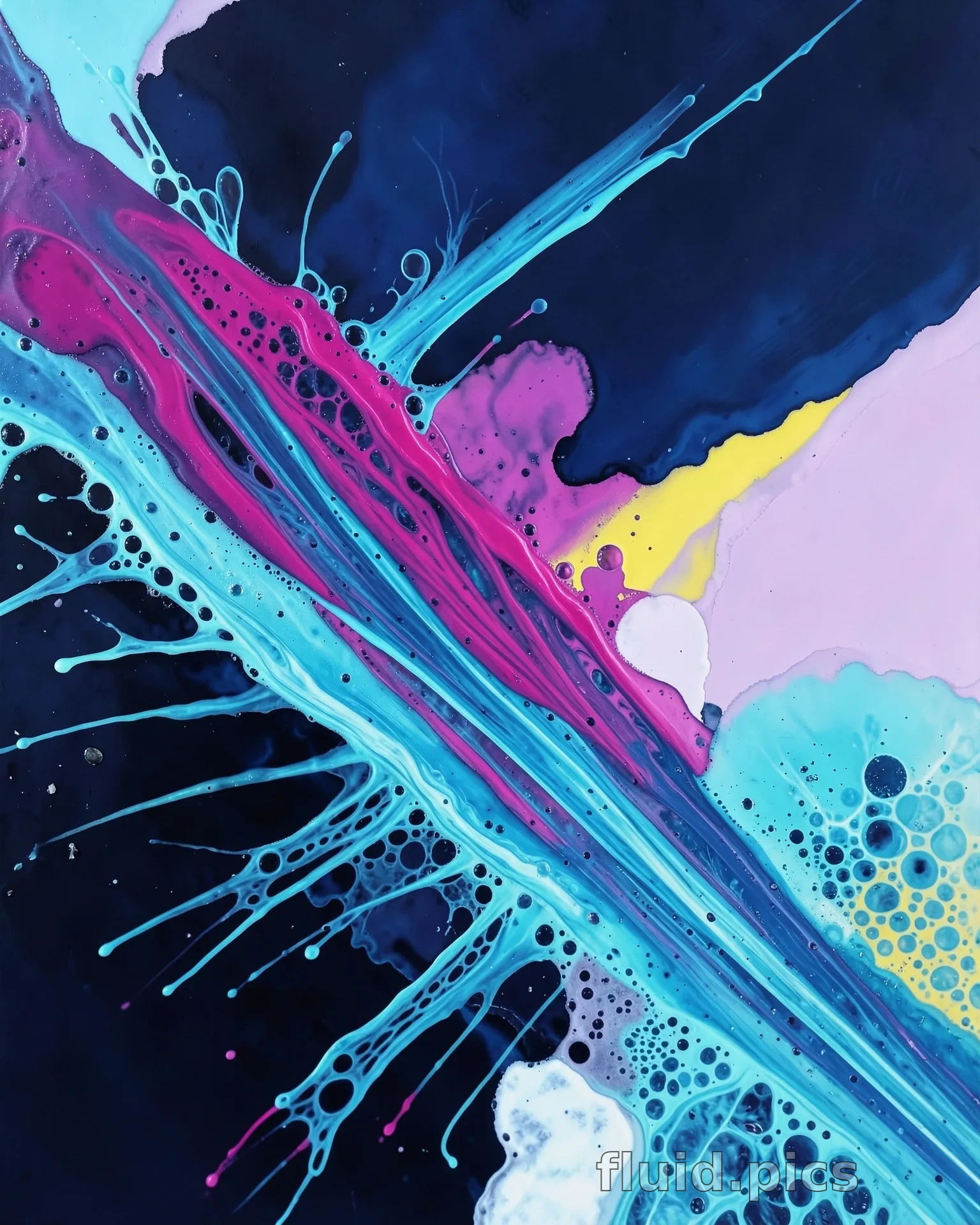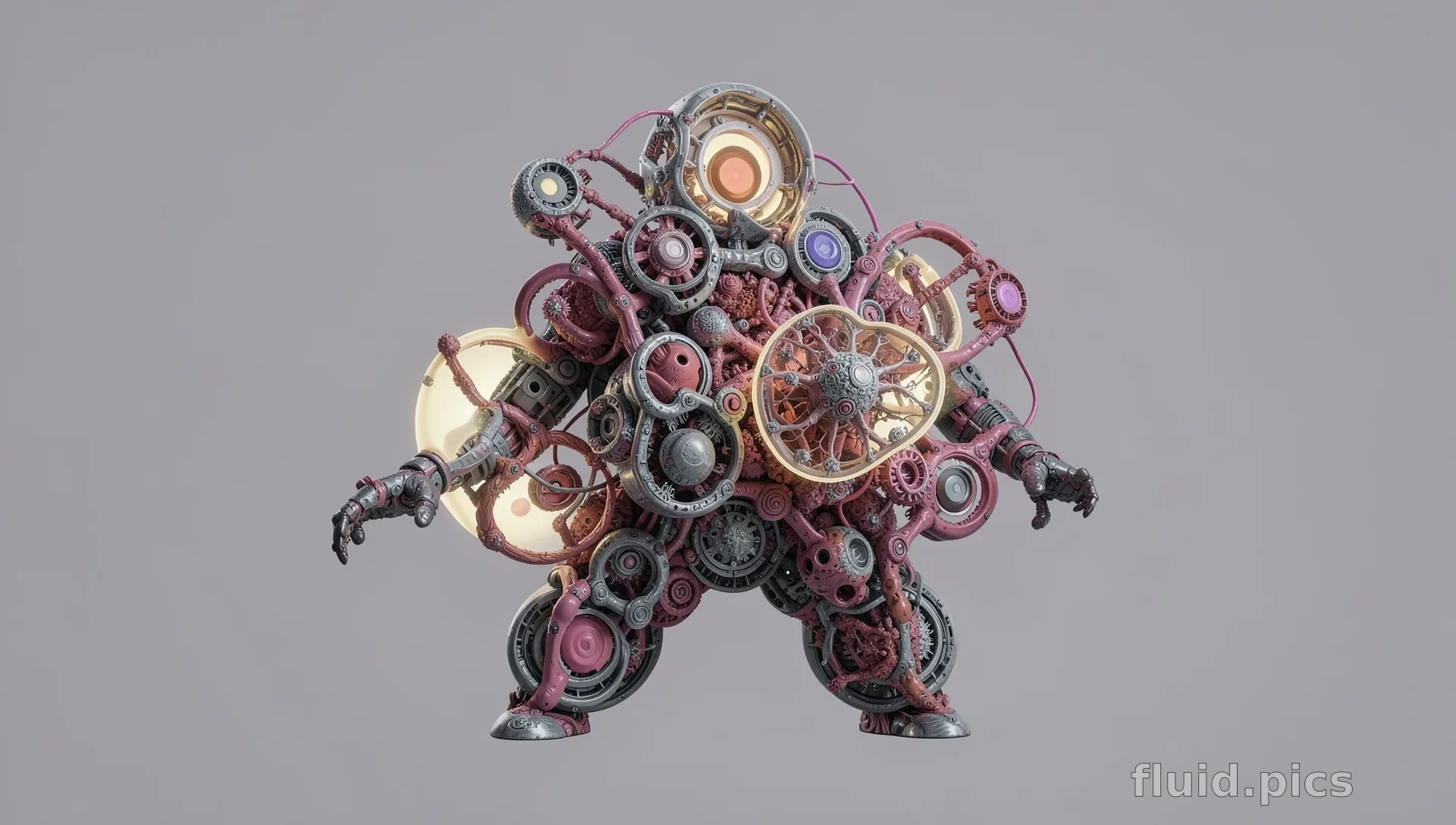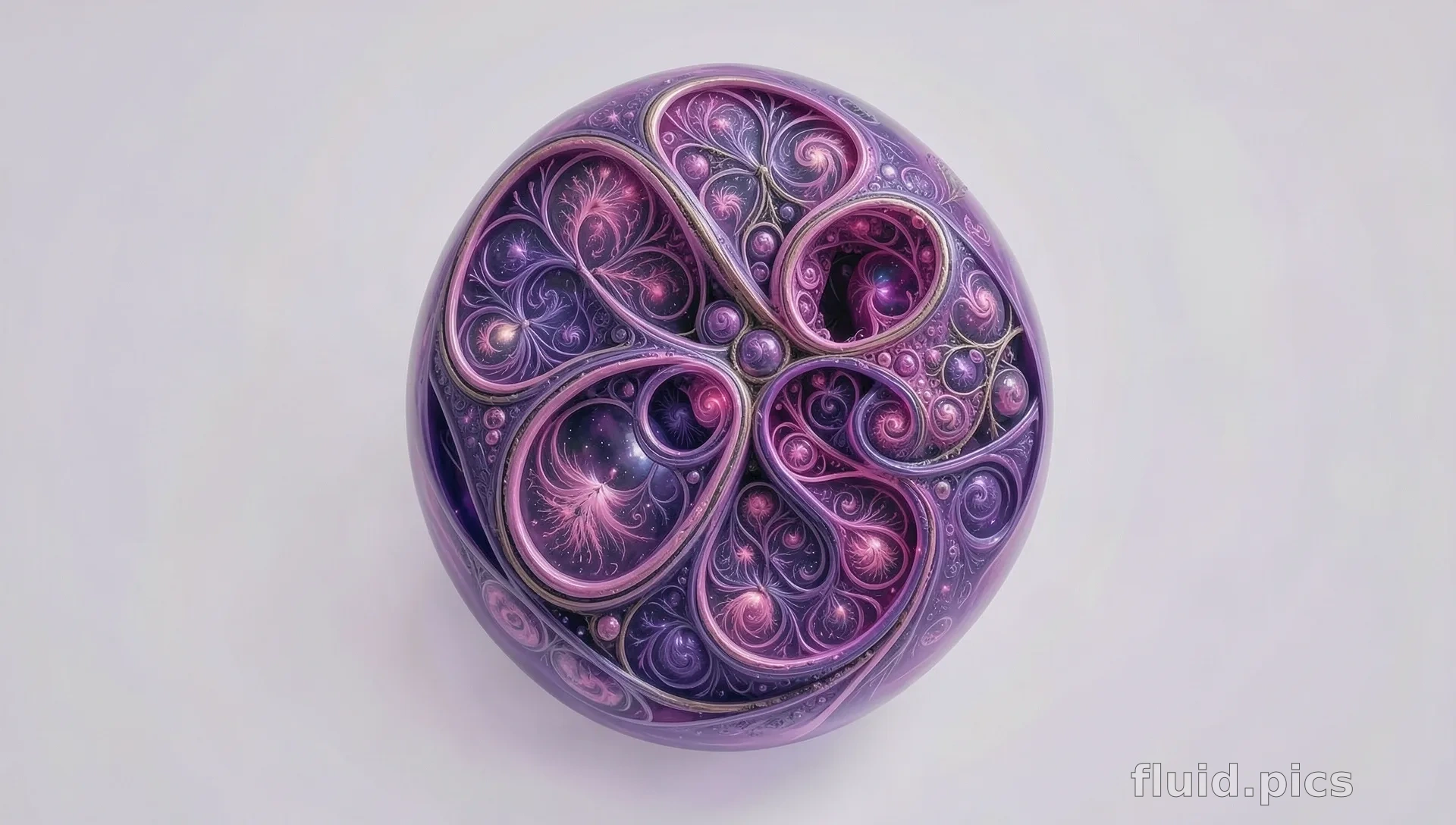
Fractal art uses systems in which a form repeats or transforms across different scales. A small part may resemble the larger whole, yet each increase in scale reveals new detail. The source can be a mathematical formula, an iterative program or a rule-based drawing process. The artistic work lies in turning that system into an image with colour, depth, contrast and a chosen point of view.
Fractals are often associated with mathematics, but fractal art is not a display of equations. It is a visual practice that uses iteration to create spaces that can feel geological, botanical, cosmic or entirely unfamiliar.
Self-similarity and iteration
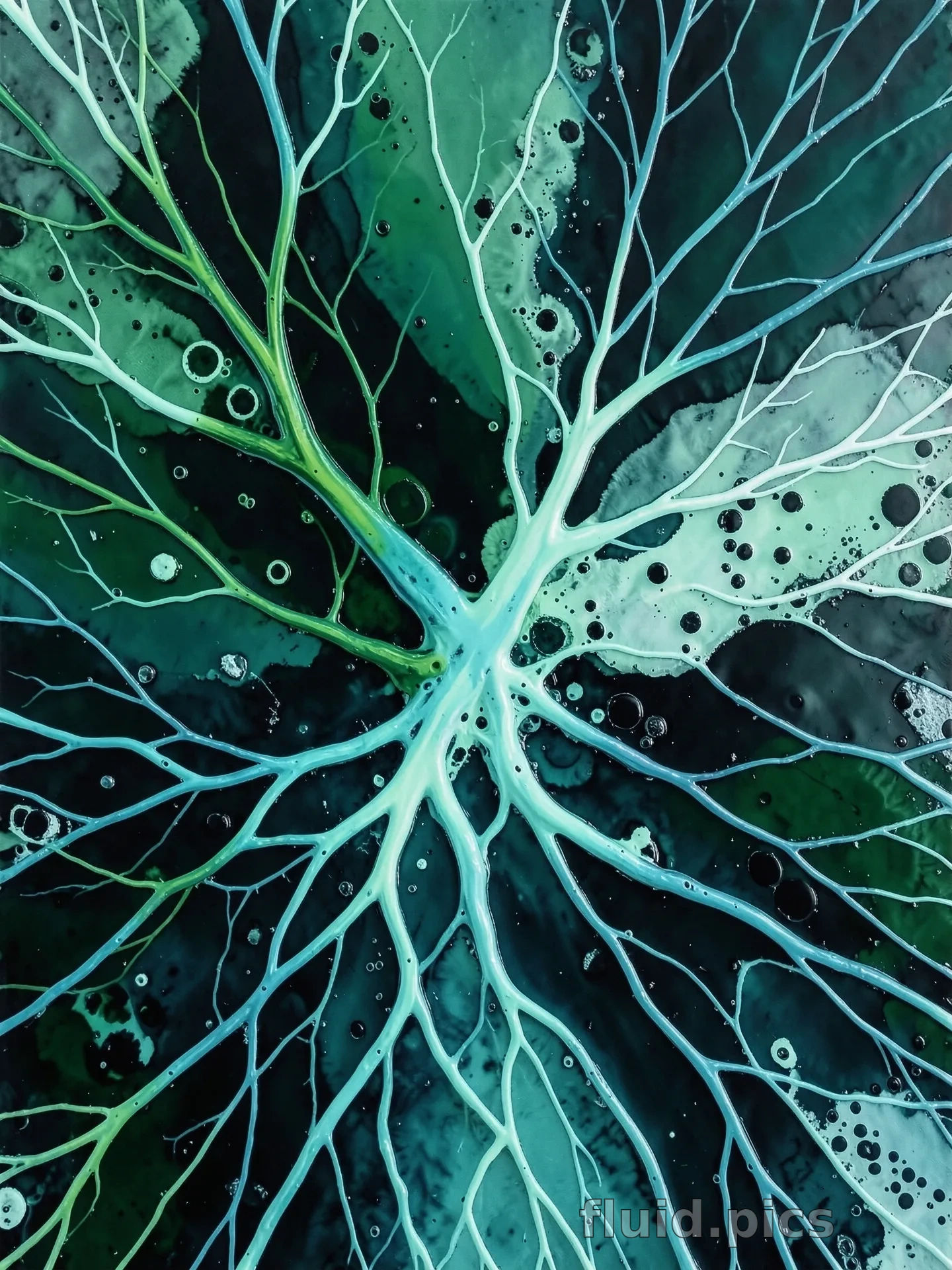
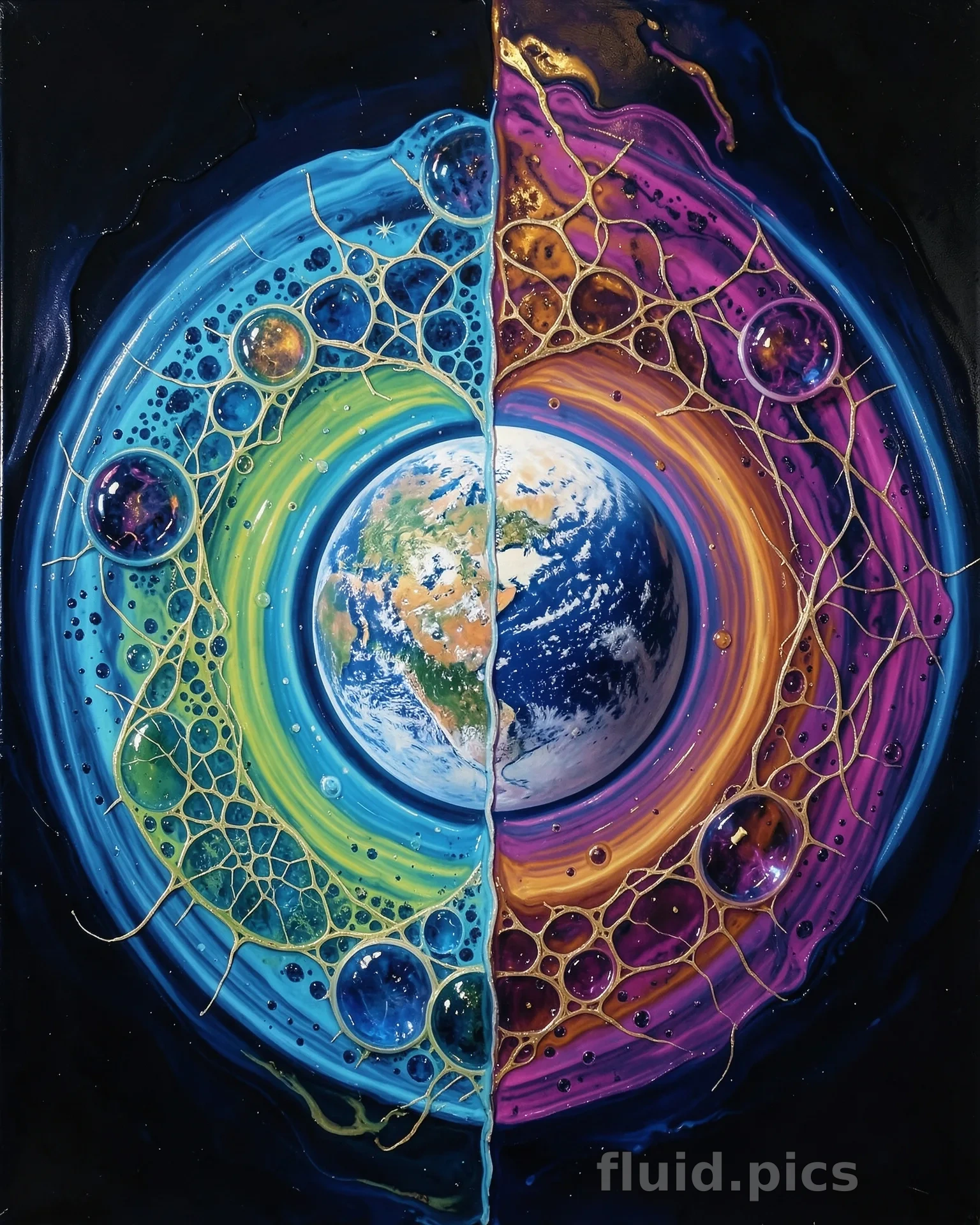
A fractal begins with a rule that is applied repeatedly. With each iteration, the result feeds into the next step. Simple rules can create astonishing complexity: branching structures, spirals, borders that seem endless and fields of detail that stay coherent even when viewed closely.
Self-similarity does not mean exact duplication at every scale. In many fractal systems, a shared logic appears again in altered form. That variation is what makes the image feel alive. The eye recognises a family resemblance while continuing to find new paths through it.
From formula to image
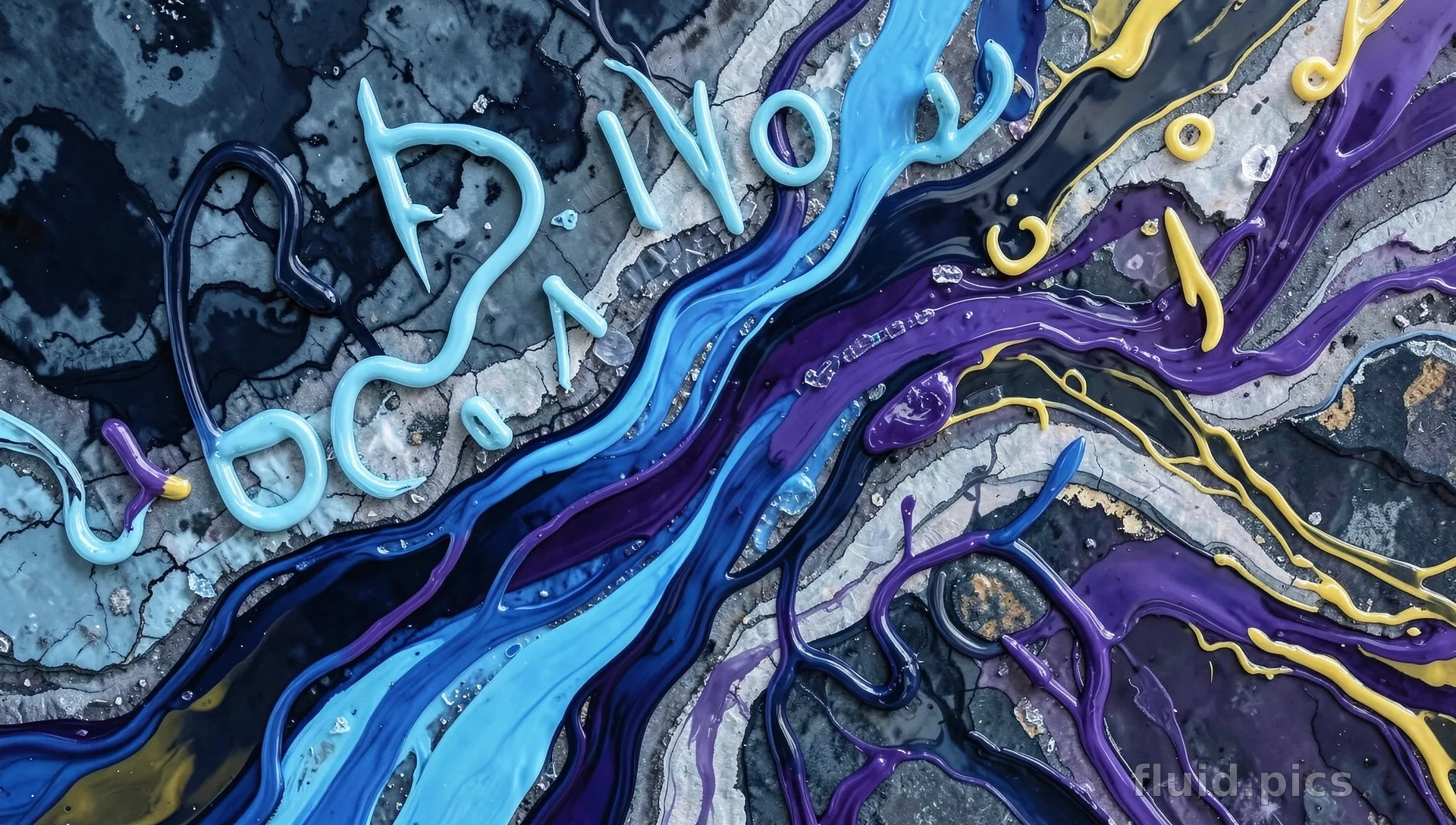
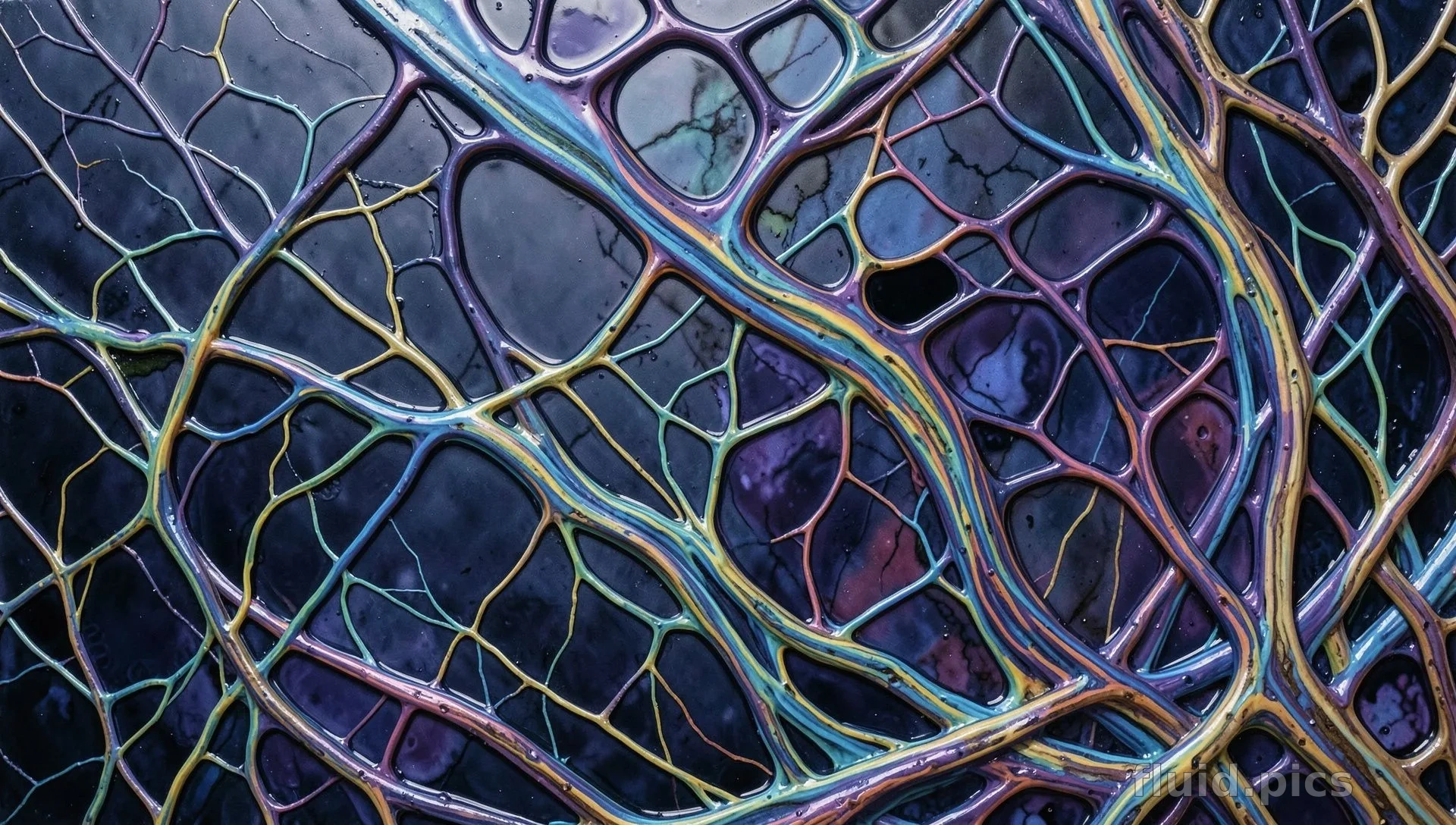
A formula does not decide the artistic image by itself. Someone chooses the region to explore, the scale, the colour palette, the lighting, the density of detail and the point at which the composition becomes readable. A slight shift in position can turn a familiar mathematical set into a forest of filaments, a mineral field or an opening into dark space.
This selection is central to fractal art. The artist does not manually draw every complexity, but they make the decisions that determine how complexity appears. The work moves from rule to form, then from form to visual experience.
Why fractals are compelling
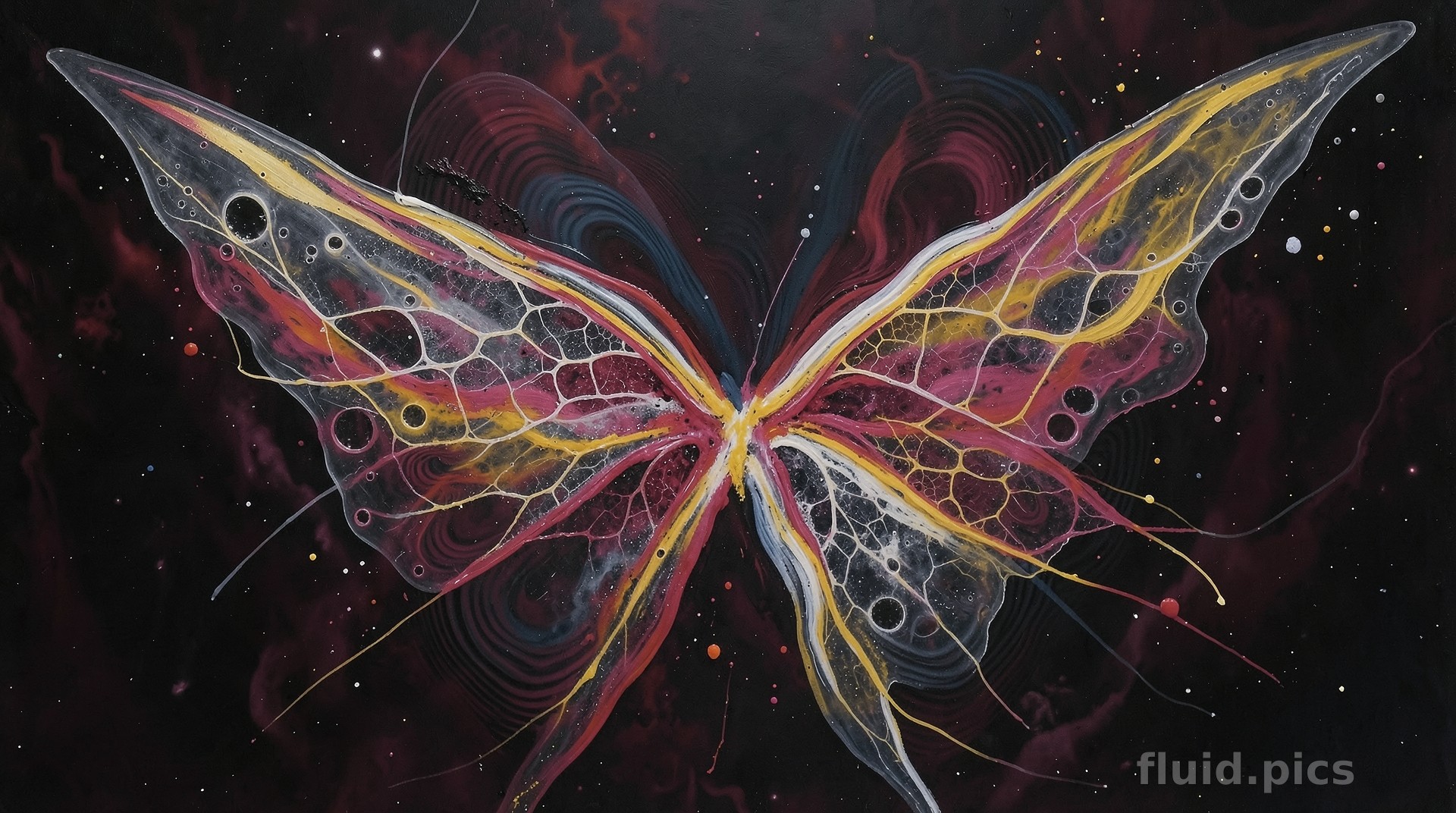
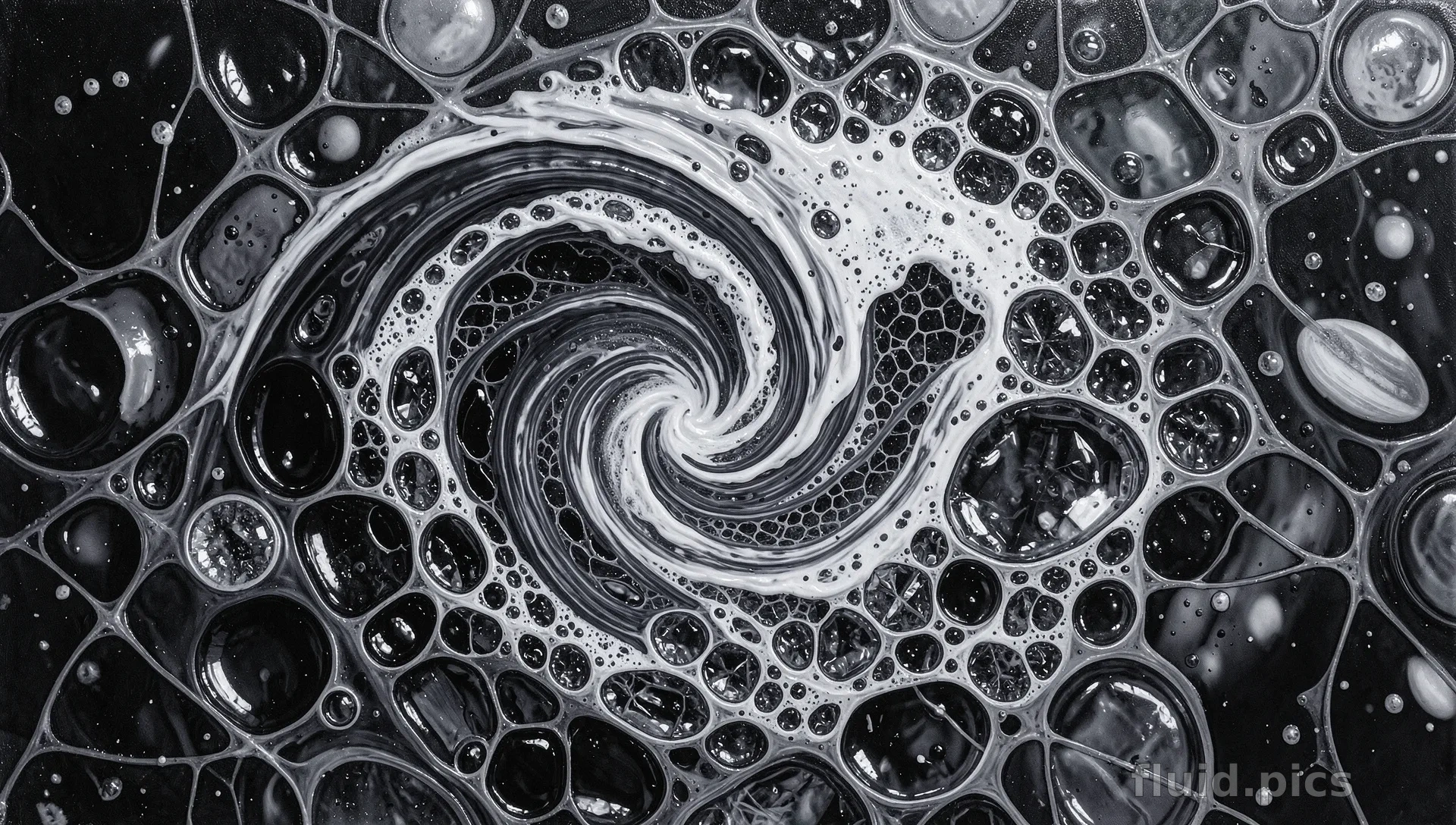
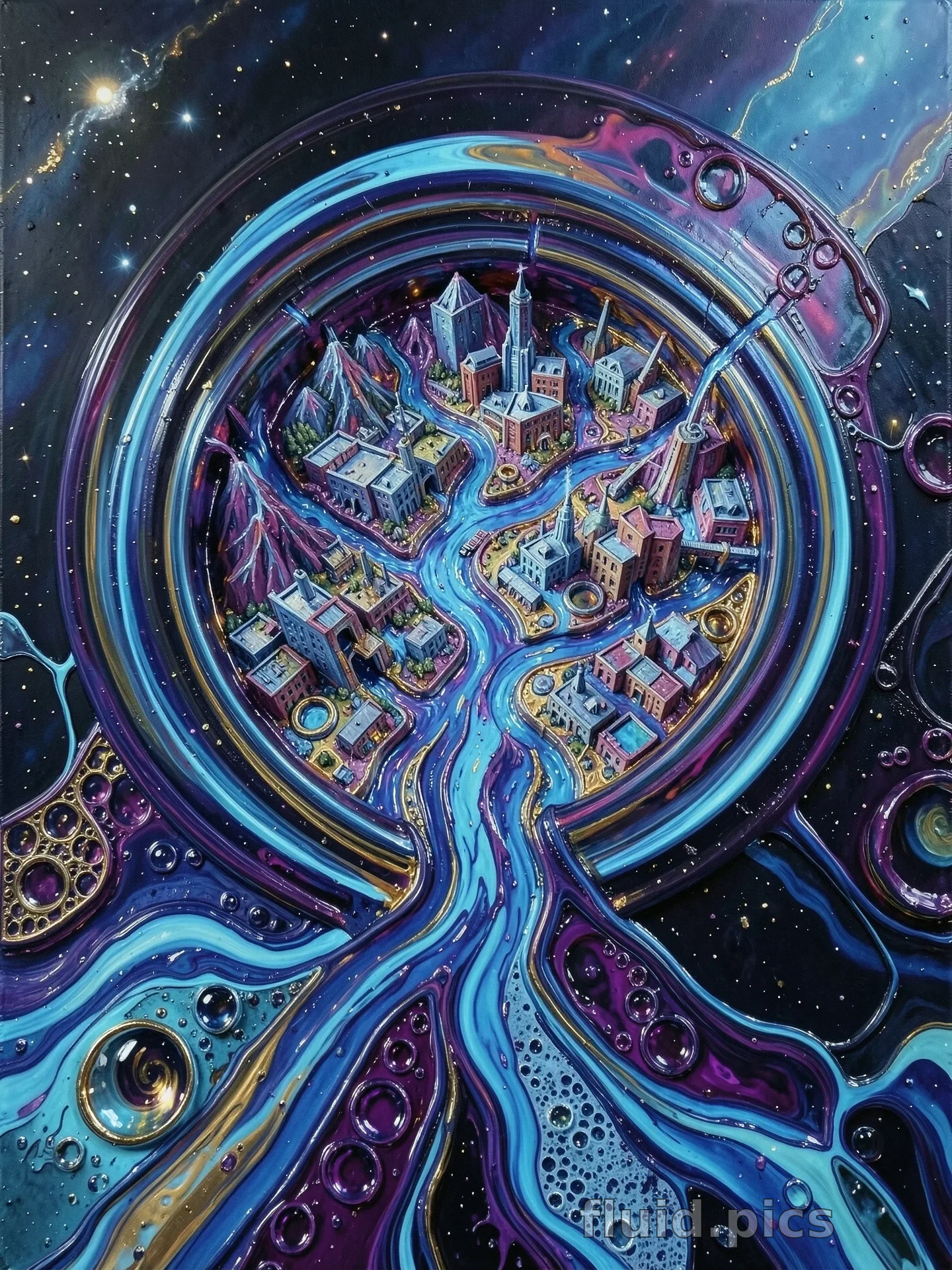
Fractal images combine order with surprise. They can look precise and unstable at once: a structure may clearly follow a rule while its edges continuously reveal unexpected detail. This gives viewers two scales of attention. From a distance, the image offers a large rhythm and silhouette; up close, it opens into smaller events that seem to continue beyond the frame.
Natural forms such as coastlines, branching plants, clouds and river networks can encourage fractal associations, but fractal art does not need to imitate nature. It can build a world that feels coherent precisely because the same logic quietly connects its parts.
Fractal art and generative practice
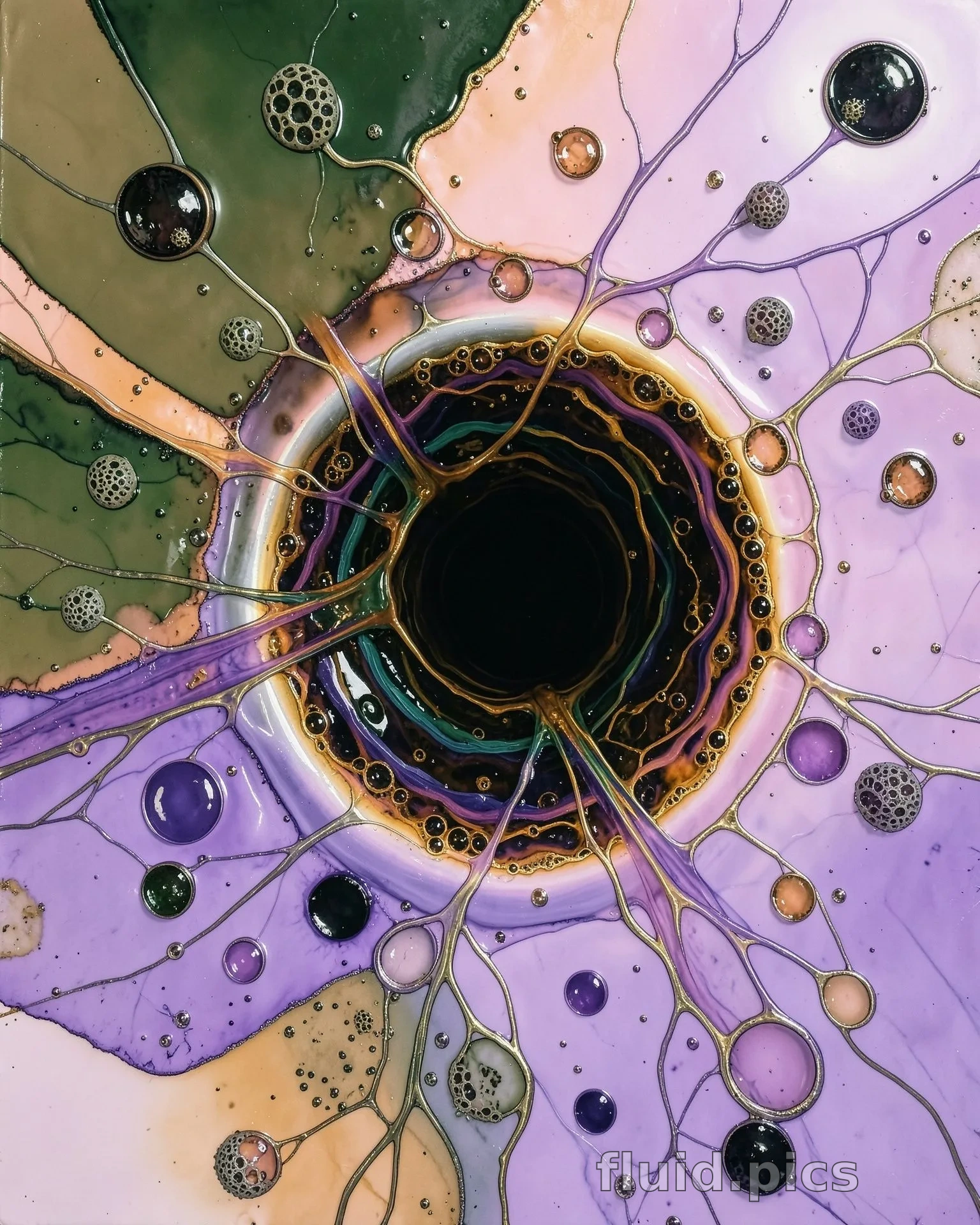
Fractal art is one of the clearest examples of generative art. A system produces a range of possible forms, and the artist works through parameters, choices and selection. It also connects naturally with fluid and hybrid processes, where repeated forces can create branching, cellular or wave-like structures.
In digital practice, fractal methods can be used directly or as part of a larger visual system. They may organise a composition, introduce texture or create a depth that would be difficult to draw by hand. Their value comes from how they serve the image, not from mathematical complexity alone.
How to look at fractal art
Let your eye travel between the whole and the detail. First notice the overall direction, centre and balance. Then move closer to see which structures repeat, where they change and how colour clarifies or complicates the form. The most rewarding fractal works let these two views support each other.
Explore Fractal Art in Fluid Studio, read How to Understand Abstract Art for a wider viewing practice, or visit the Gallery to see how rule, iteration and imagination meet in finished compositions.